AI is a system that learns patterns
Modern AI systems are trained on large amounts of data so they can predict, classify, generate, or decide. They are powerful, but they do not automatically understand the world like a person.
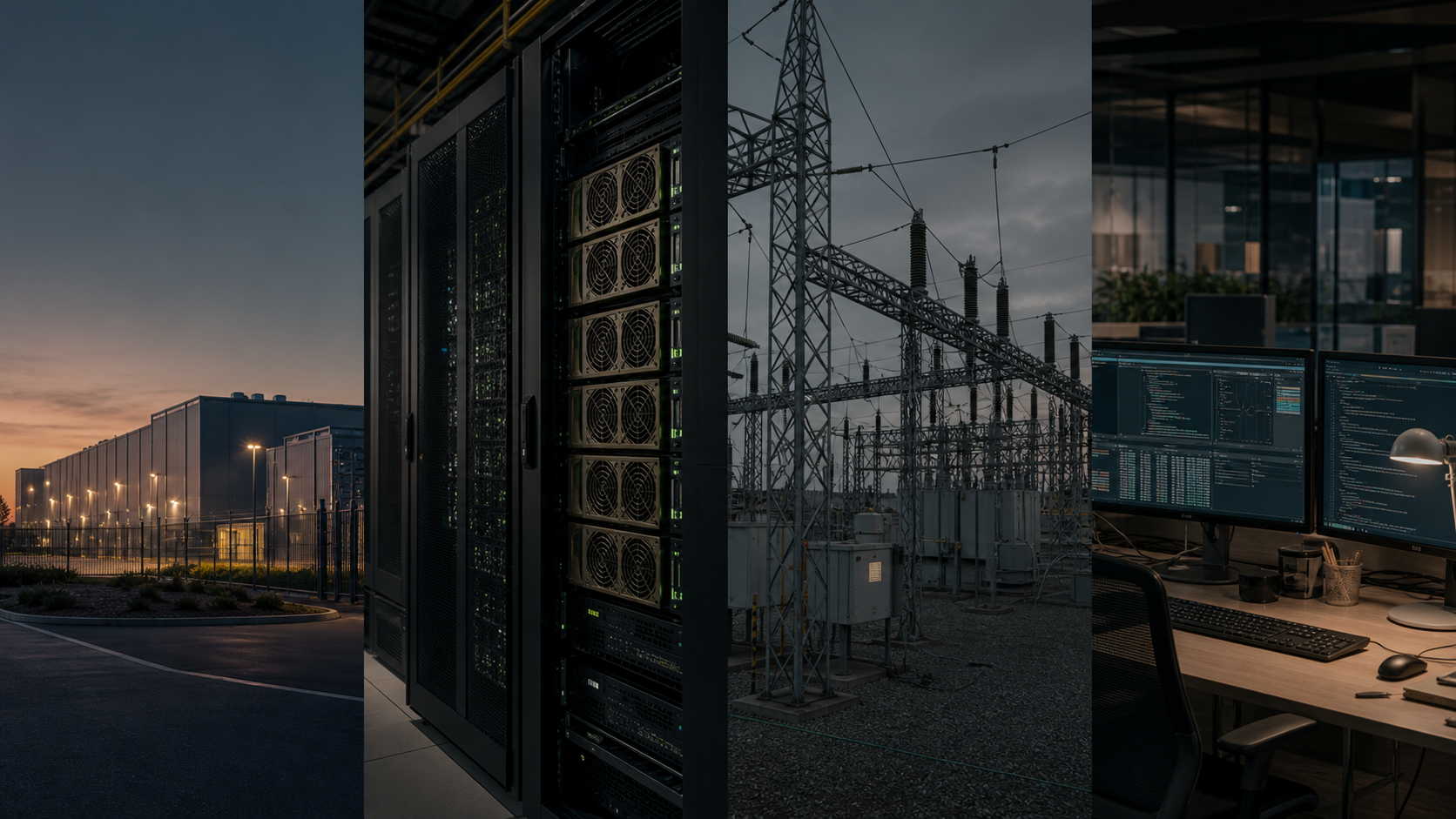
SIGNALWATCH is a clean, evidence-first AI observability platform for curious readers, safety teams, builders, and decision-makers. It explains what AI is, where it fails, and what evidence is strong enough to trust.
SIGNALWATCH is built for people who want AI explained without hype, and for teams that need rigorous evidence once systems are deployed.
Modern AI systems are trained on large amounts of data so they can predict, classify, generate, or decide. They are powerful, but they do not automatically understand the world like a person.
An answer, detection, score, or summary is something the system produced under specific conditions. SIGNALWATCH treats that behavior as evidence to inspect, not as a final authority.
Lighting, data quality, prompts, model changes, infrastructure costs, and deployment conditions can all change whether an AI system is useful or risky.
Photos and generated images help explain the setting. They do not count as detections, metrics, or operational claims.
Claims should point back to a source, a timestamp, a model output, or an explicit methodology boundary.
If the system lacks data or a model is unavailable, the interface should say that instead of filling the gap.
Use the map below to choose whether you want sources, safety, evaluation, perception labs, or market context.
Most tools either oversimplify the story or bury people in technical noise. SIGNALWATCH gives every reader a path: understand the idea, inspect the evidence, then decide what the claim can actually support.
Metrics, confidence, detections, and incidents must come from real data or real model outputs.
Unavailable models, missing sources, and unknown values stay visible instead of being filled in.
Every serious claim should point to a source, a run, a timestamp, or a methodology boundary.
Technical surfaces should remain useful to experts while still explaining the meaning for everyone else.
The interface is designed so a reader can tell the difference between a helpful image, a claim with a source, a diagram, and real model behavior.
SIGNALWATCH is built around a simple belief: people should not need to be insiders to ask good questions about AI. A useful system should explain what it knows, show where that knowledge came from, and stay honest when it does not know enough.
You can read SIGNALWATCH as an accessible AI guide, a safety reference, an evaluation workbench, or an operational monitoring surface.
Learn the basic terms, what AI can and cannot prove, and how to read the evidence labels.
See safety risks, policy references, and job transition pressure with links back to the original sources.
Upload images or use a webcam to see how blur, darkness, crops, and motion change real model outputs.
Separate hype, infrastructure spending, revenue conversion, and deployment reality without fabricated scores.
These examples use source-attributed photos to make robustness easier to understand. The right side is a visual degradation demonstration only; it is not a model output, confidence score, or benchmark result.
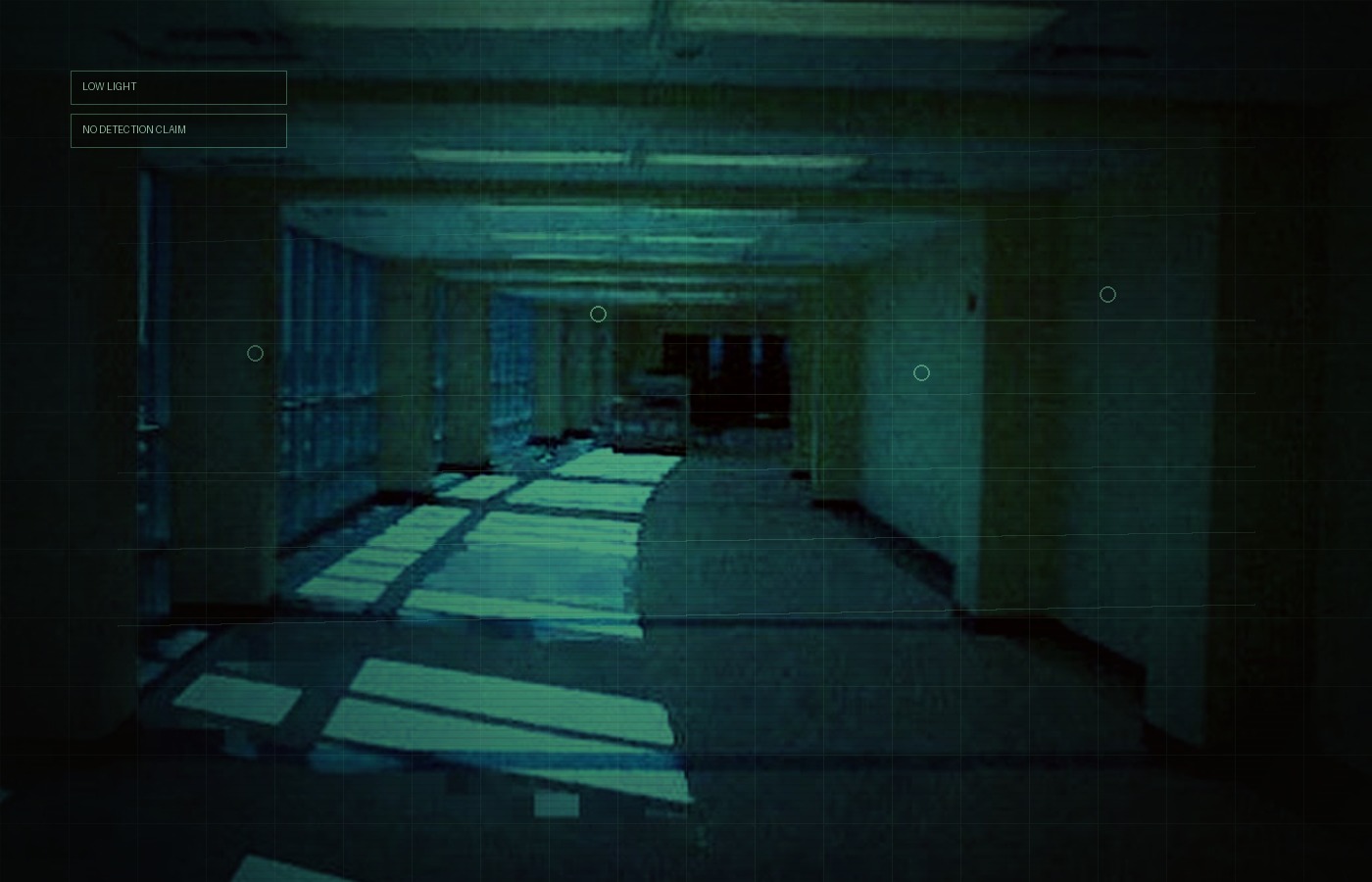
A person can still understand the scene. A vision model may lose confidence or miss objects.
Real-world implication: Useful for hallway cameras, night routes, warehouses, and indoor robots.
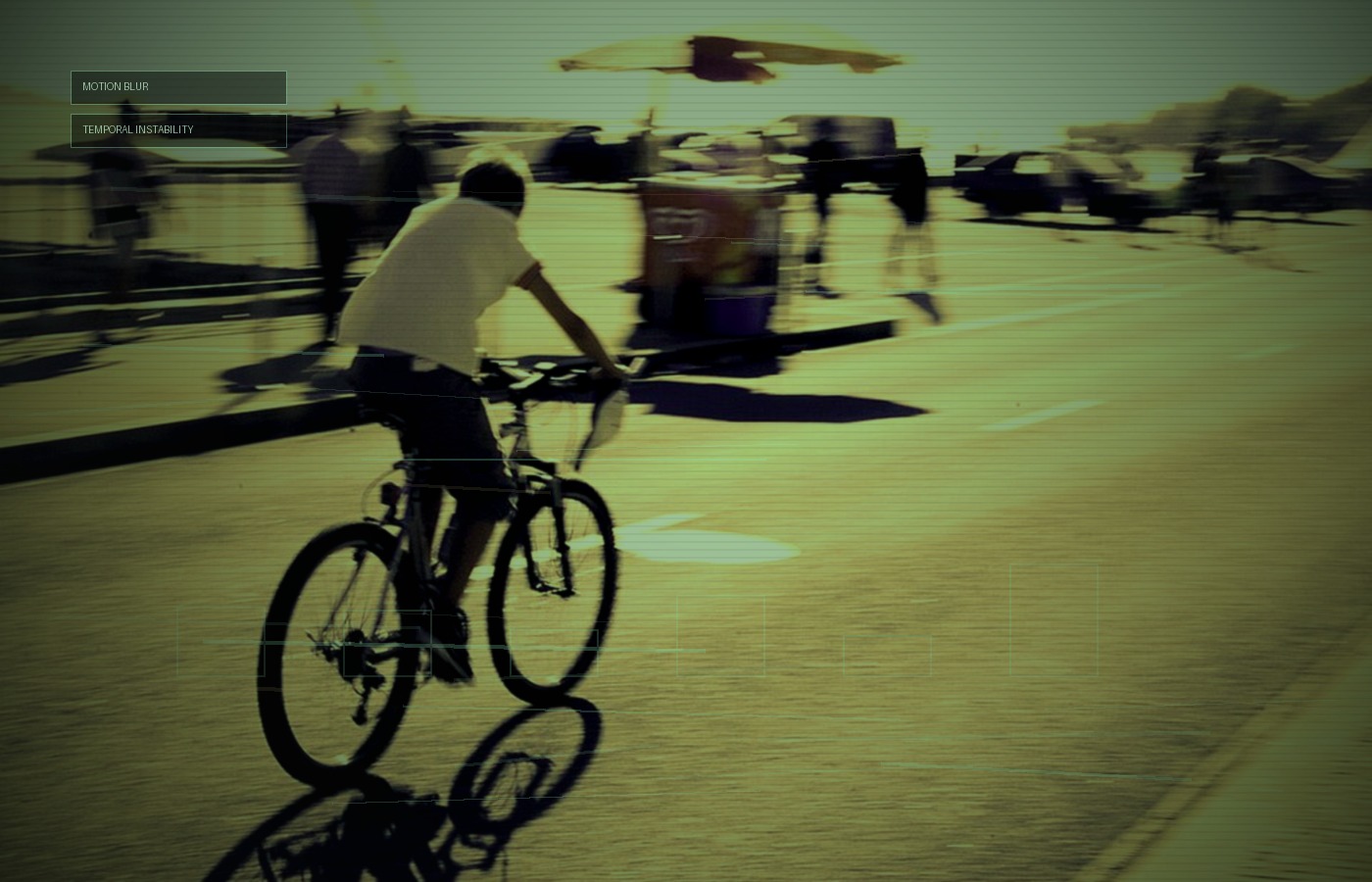
Movement makes edges less clear, which can make detections jump or disappear between frames.
Real-world implication: Useful for traffic scenes, handheld cameras, moving robots, and fast workspaces.
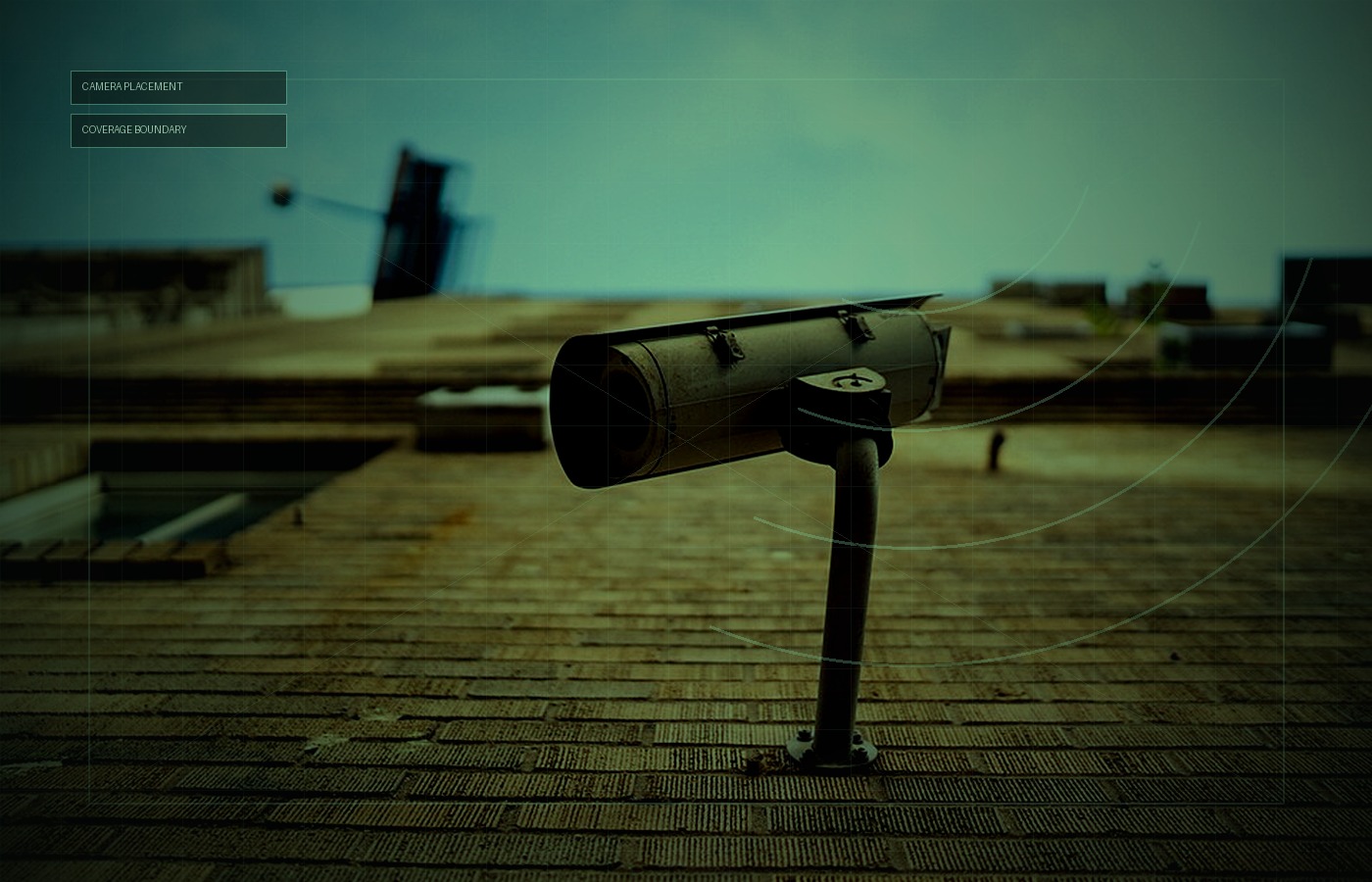
A camera angle can make important context visible, hidden, cropped, or too far away.
Real-world implication: Useful for placement reviews, coverage audits, and blind-spot analysis.
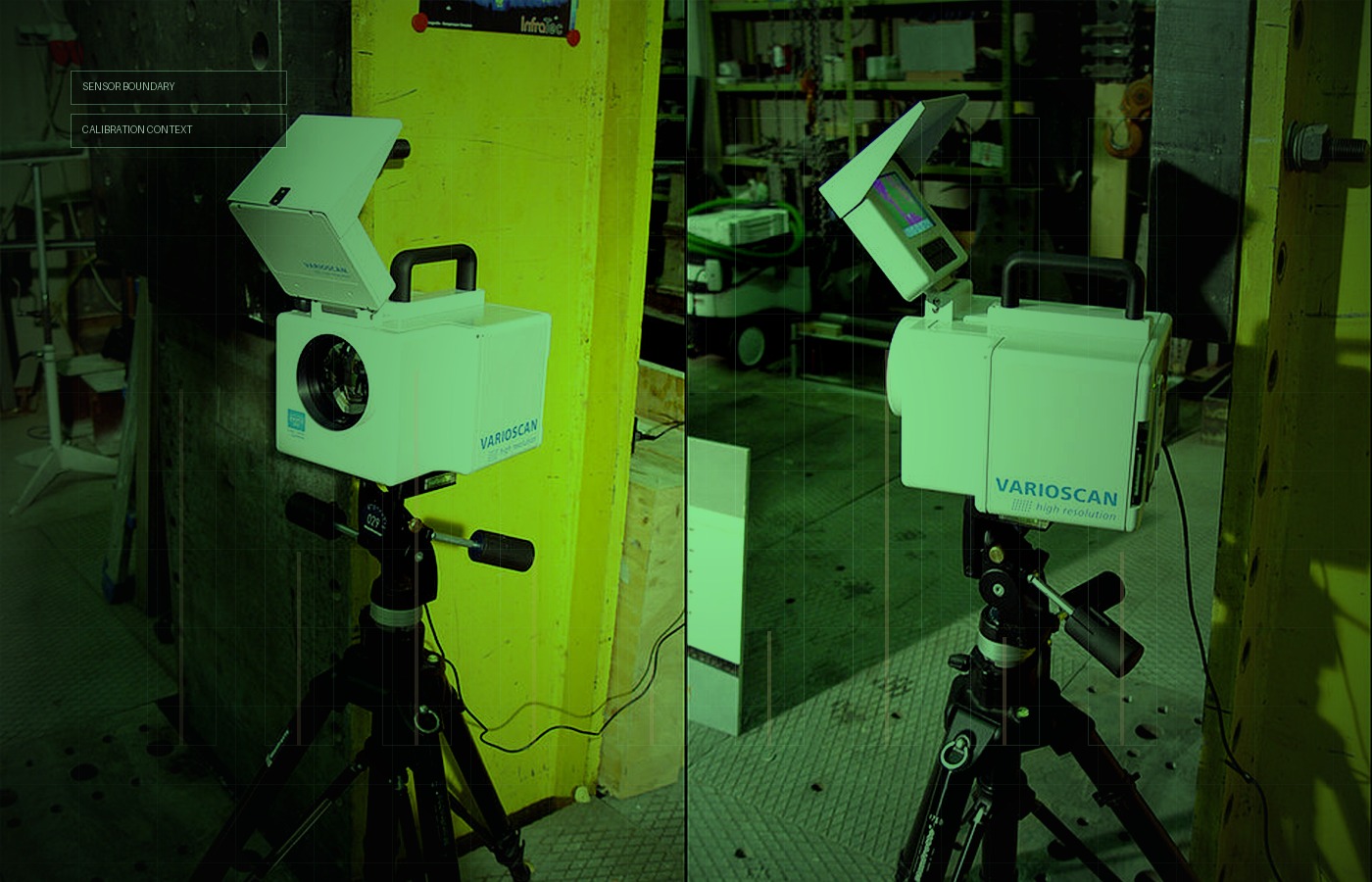
Specialized sensors can reveal one kind of signal while hiding other context the model may need.
Real-world implication: Useful for thermal systems, calibration checks, and mixed-sensor deployments.
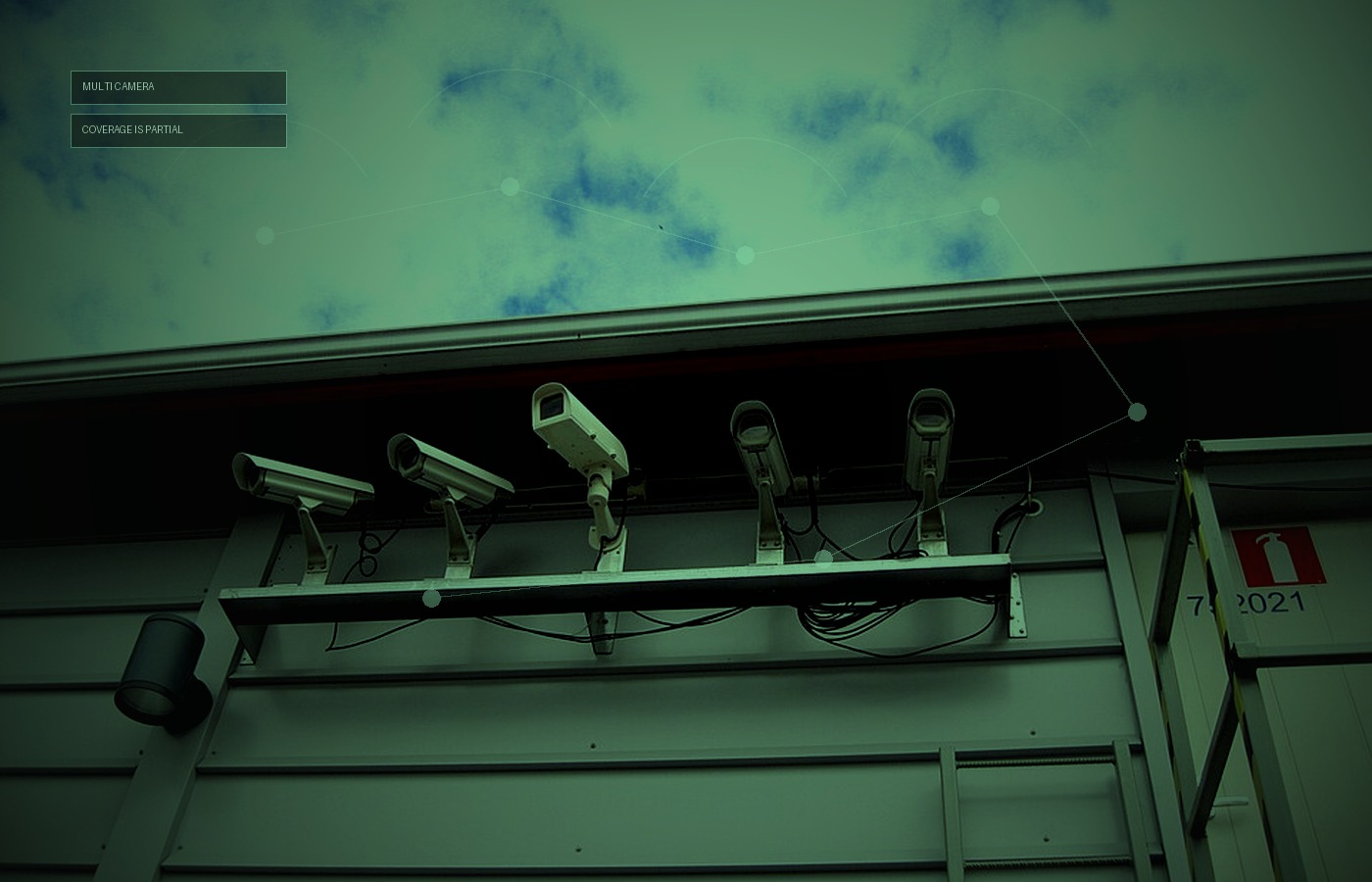
Multiple cameras can still leave gaps. The system can only reason from what the sensors actually see.
Real-world implication: Useful for multi-camera monitoring, maintenance planning, and handoff between views.
A real attributed image used to show operating conditions.
A project image created to explain infrastructure or system concepts.
A conceptual map that explains relationships or method boundaries.
Detections, confidence, empty frames, or traces emitted by a real model run.
The site is designed to stay approachable at the top and increasingly precise as you move deeper.
Research, safety, policy, releases, and AI news with links and timestamps attached.
Real browser-side model behavior under blur, low light, occlusion, compression, and motion.
AI investment and bubble-risk context separated from operational evidence.
Clear distinction between source photo, generated context, diagram, and model output.
These images connect the ideas above to ordinary operating conditions: cameras, low light, movement, monitoring rooms, and sensor boundaries. They are visual context only, not evidence of a SIGNALWATCH run.
Lighting changes can make vision systems less reliable even when the scene is ordinary.
Fuente: Wikimedia Commons derivative / SIGNALWATCH gradeOperational AI systems often depend on imperfect camera feeds and deployment conditions.
Fuente: Wikimedia Commons derivative / SIGNALWATCH gradeMovement can hide object boundaries and create unstable detections across frames.
Fuente: Wikimedia Commons derivative / SIGNALWATCH grade