Real
Observed or sourced
A source link, timestamp, runtime event, or model output exists. The interface can point back to where it came from.
This page explains alignment, governance, frontier risk, and job transition pressure in plain language. Claims are tied to source registry entries or clearly marked as conceptual examples.
glossary for termsSIGNALWATCH translates AI safety concepts into practical views: what is being watched, where the evidence comes from, and why uncertainty matters before systems are deployed in the world.
A source link, timestamp, runtime event, or model output exists. The interface can point back to where it came from.
A summary, grouping, or trace built from source activity, telemetry, or model-output history. It should still show its inputs.
A teaching example that explains a risk or system behavior without claiming it happened in a deployed system.
A parameter-driven demo. Useful for learning, but not evidence about the outside world unless real inputs are attached.
These photos ground the safety page in real operational settings: human review rooms, specialized sensors, and camera coverage. They help non-specialist readers see where AI safety work becomes operational, but they are visual references only, not claims about a deployed SIGNALWATCH run.
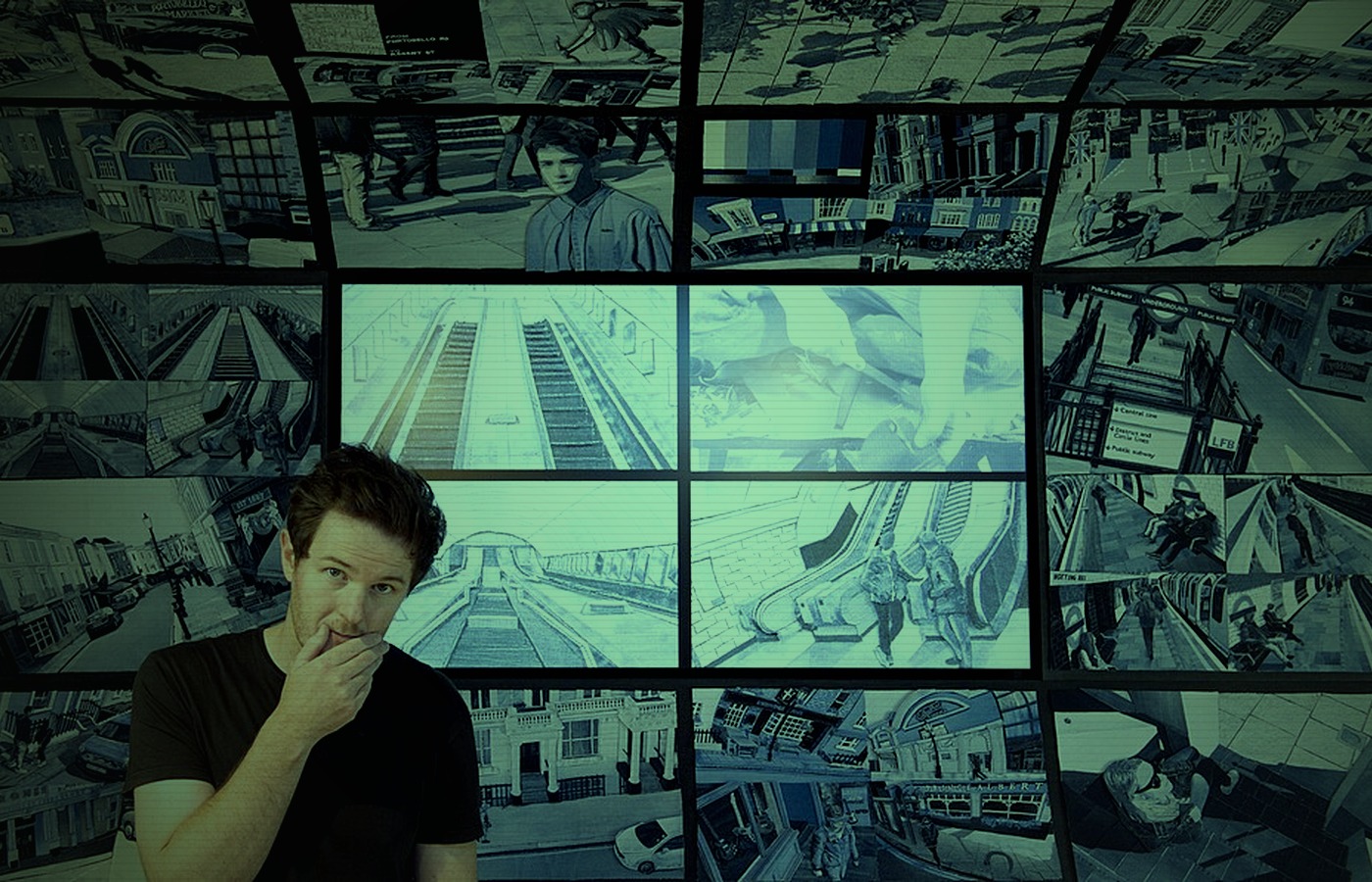
Observability tools are useful because humans need clear evidence, not hidden model state.
Fuente: Wikimedia Commons derivative / SIGNALWATCH grade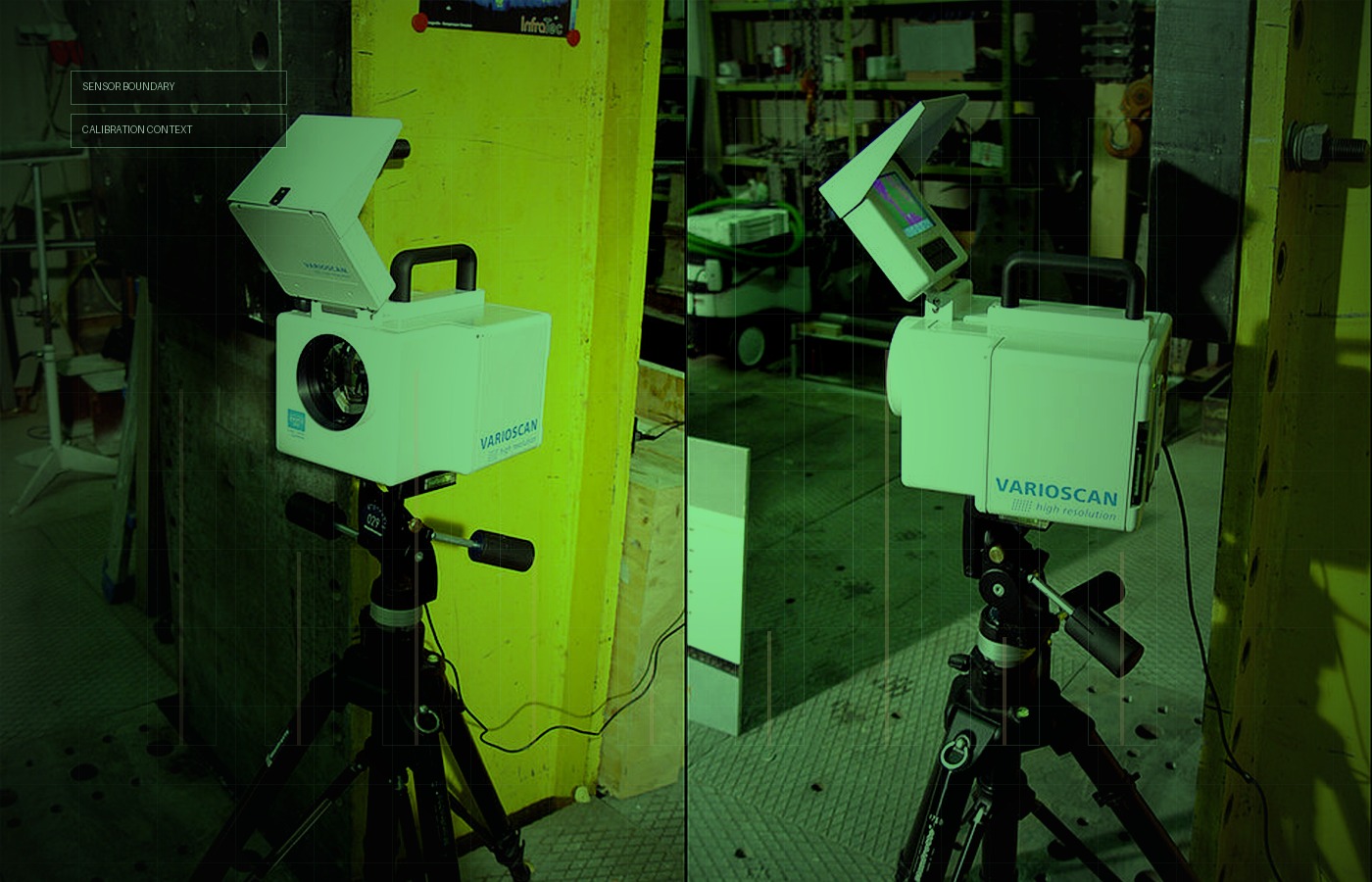
Different sensors expose different failure surfaces, calibration needs, and operational blind spots.
Fuente: Wikimedia Commons derivative / SIGNALWATCH grade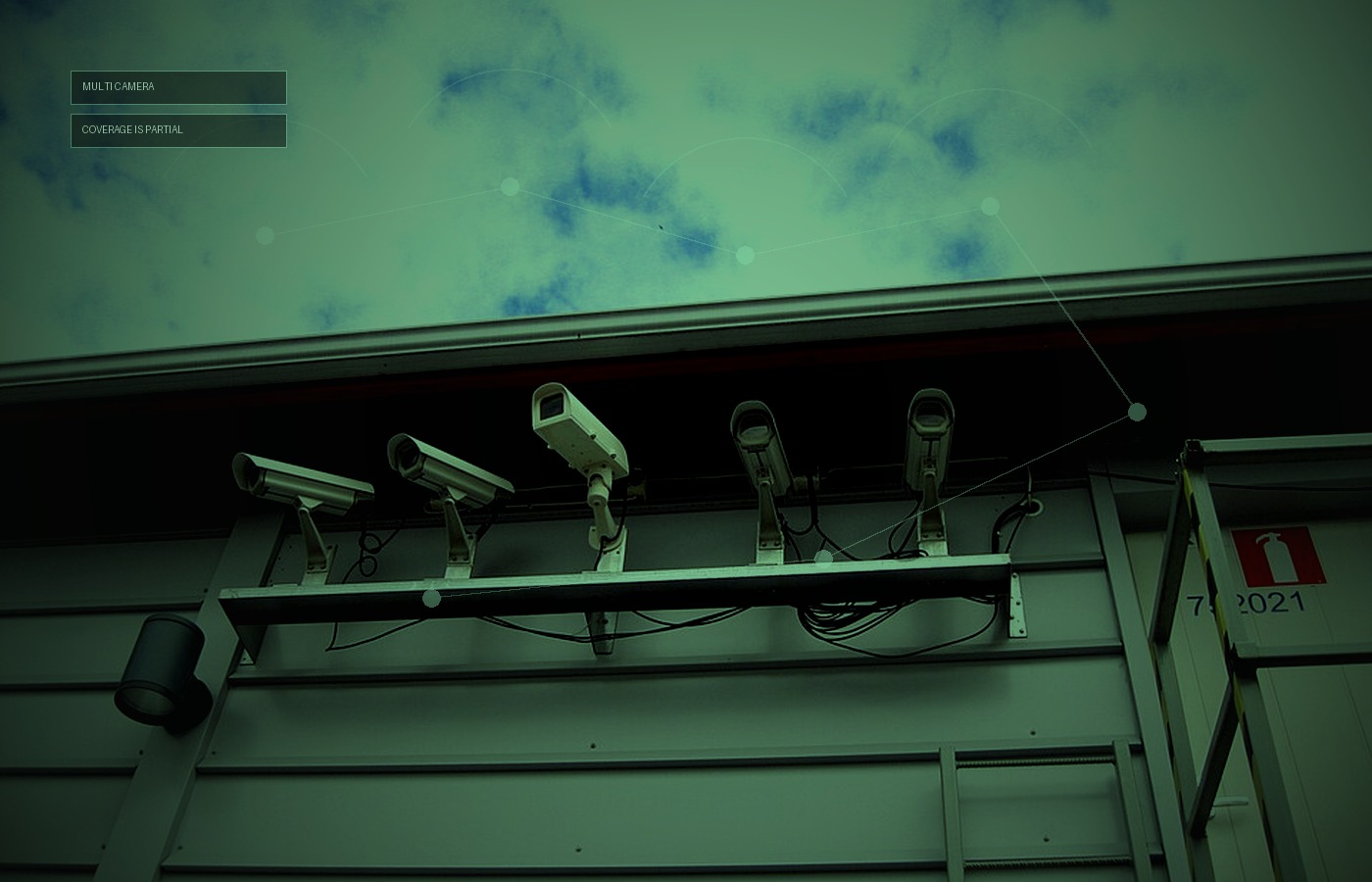
Coverage, angle, mounting, and maintenance shape what an observability system can actually know.
Fuente: Wikimedia Commons derivative / SIGNALWATCH gradeAutonomous systems become difficult to supervise when capability growth exceeds evaluation and interpretability progress.
AI may automate tasks before entire occupations, increasing transition pressure in some sectors.
Vision systems can fail under degraded environmental conditions despite strong benchmark performance.
AI systems can become dangerous when the measured objective differs from what humans actually intended.
Conceptual failure modes include specification gaming, reward hacking, deceptive behavior risk, autonomous tool use, evaluation gaps, and distribution shift.
These examples are educational abstractions, not claims about a specific deployed system.