Vision systems can lose reliability when input quality changes: blur, low light, occlusion, compression, cropping, and motion can alter what the model reports.
Testing AI systems means looking for failures
before they matter in the real world.
This page explains what SIGNALWATCH checks: degraded images, missed detections, unstable confidence, source links, and whether results trace back to real evidence.
explain the termsEvaluation is not only a score. It asks whether tests look like the real places where the AI system will be used.
Models can behave differently when images, tasks, users, tools, or settings are different from the examples used during development.
A robust system should show missed detections, unstable confidence, disappearing objects, stale sources, and uncertainty instead of hiding them.
Real systems need timestamps, source links, model-output history, confidence history, and clear examples of what changed.
More capable systems require evaluation of autonomy, cyber misuse, CBRN misuse, persuasion, loss-of-control risk, safeguards, and post-deployment monitoring.
Observed or sourced
A source link, timestamp, runtime event, or model output exists. The interface can point back to where it came from.
Calculated from real inputs
A summary, grouping, or trace built from source activity, telemetry, or model-output history. It should still show its inputs.
Explanation, not measurement
A teaching example that explains a risk or system behavior without claiming it happened in a deployed system.
Controlled demonstration
A parameter-driven demo. Useful for learning, but not evidence about the outside world unless real inputs are attached.
These examples use real source photos to show how ordinary image quality problems can make AI behavior less reliable. They are visual examples only; detection boxes and confidence must still come from an actual model run.


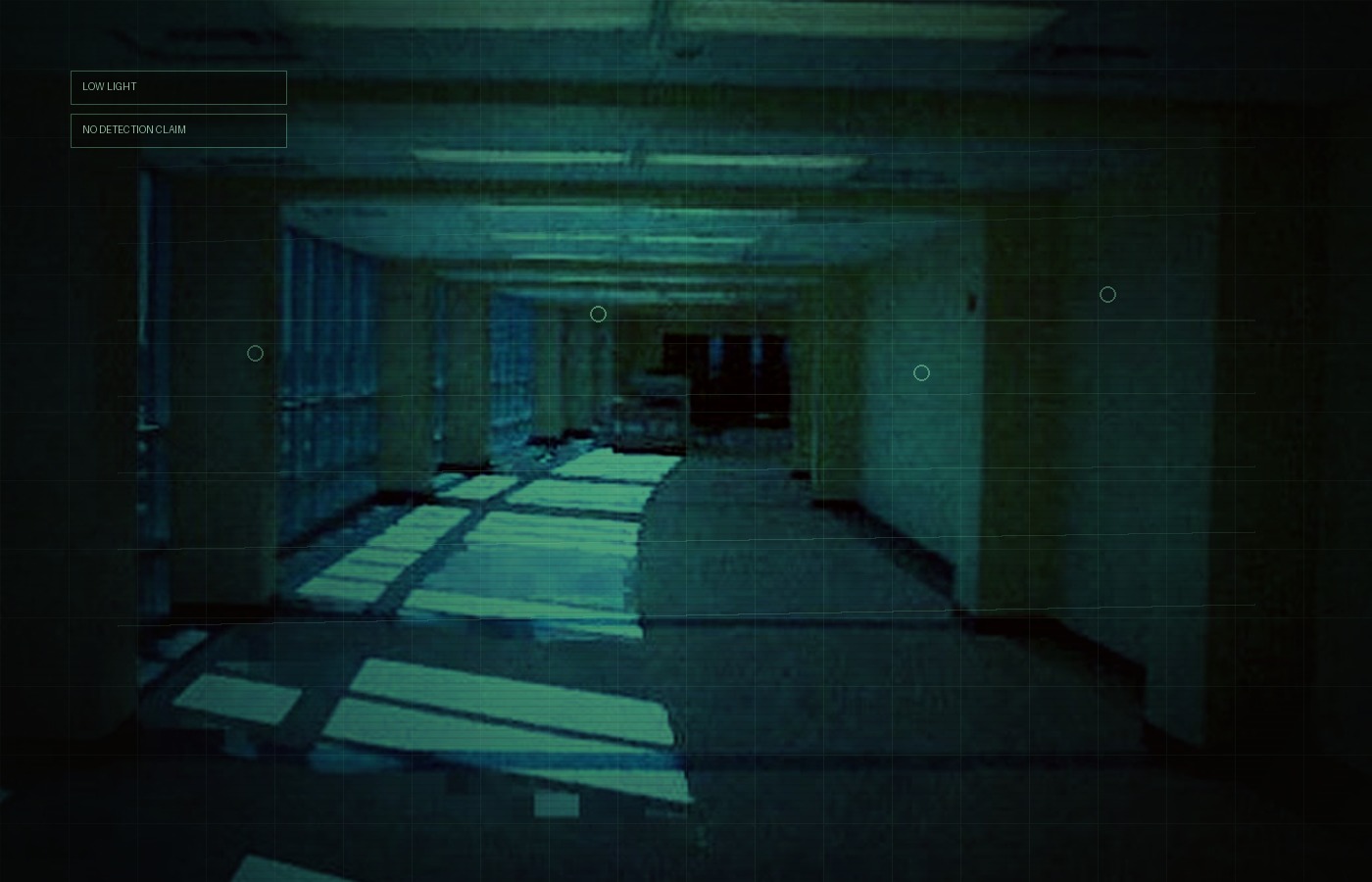
Low light can hide ordinary detail
A person can still understand the scene. A vision model may lose confidence or miss objects.
Real-world implication: Useful for hallway cameras, night routes, warehouses, and indoor robots.


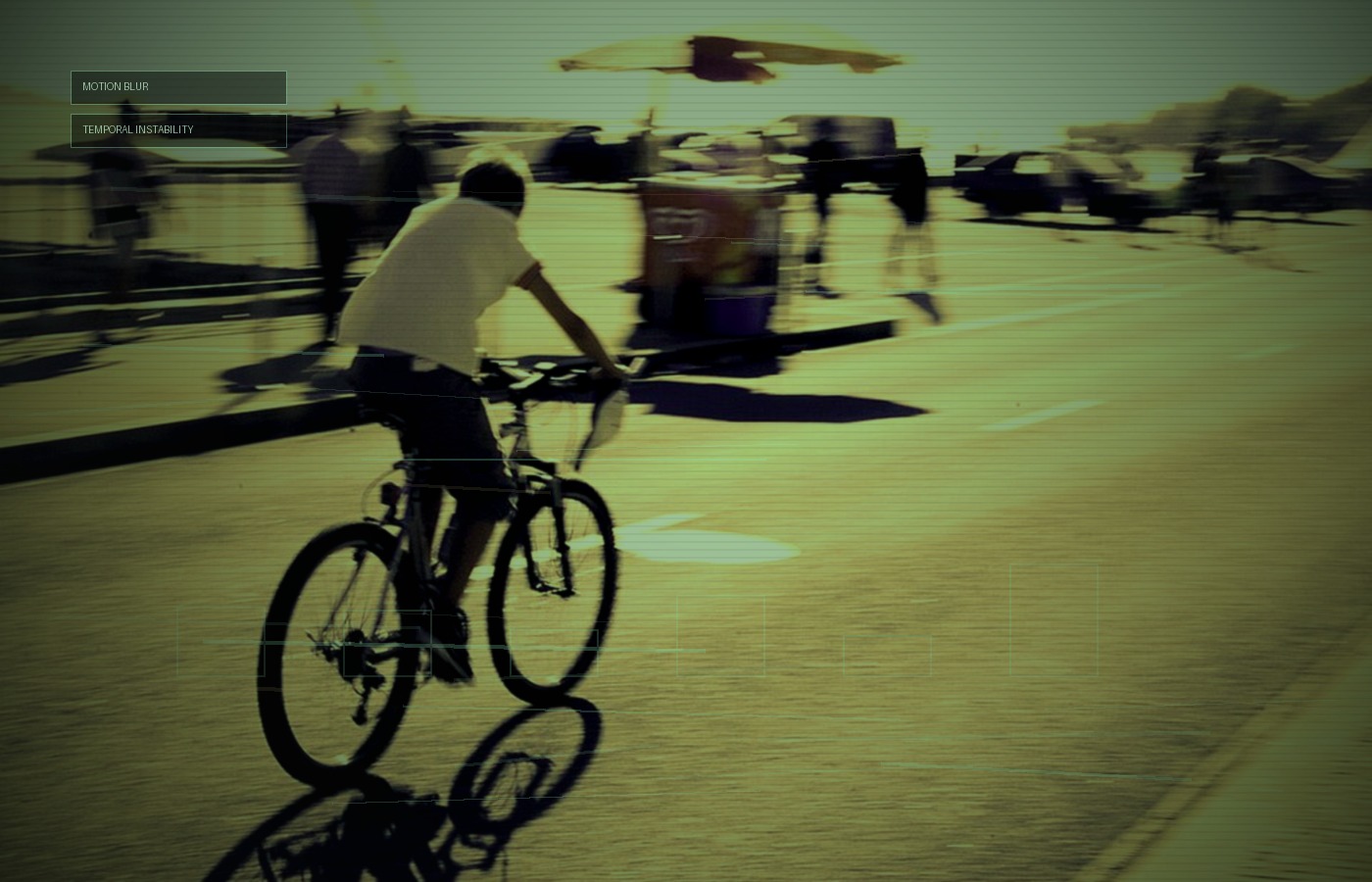
Motion can smear object boundaries
Movement makes edges less clear, which can make detections jump or disappear between frames.
Real-world implication: Useful for traffic scenes, handheld cameras, moving robots, and fast workspaces.


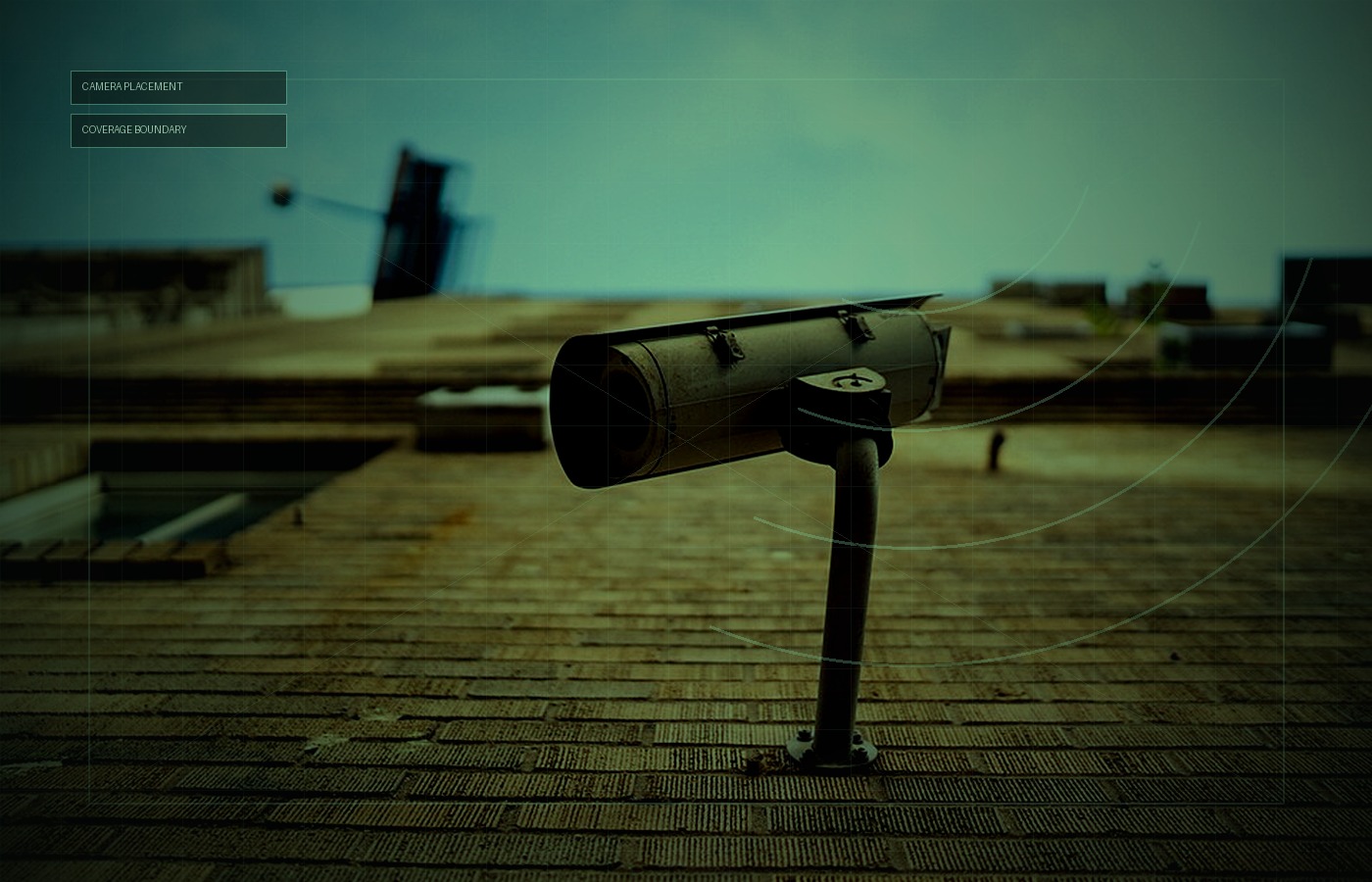
Placement changes what the system can know
A camera angle can make important context visible, hidden, cropped, or too far away.
Real-world implication: Useful for placement reviews, coverage audits, and blind-spot analysis.


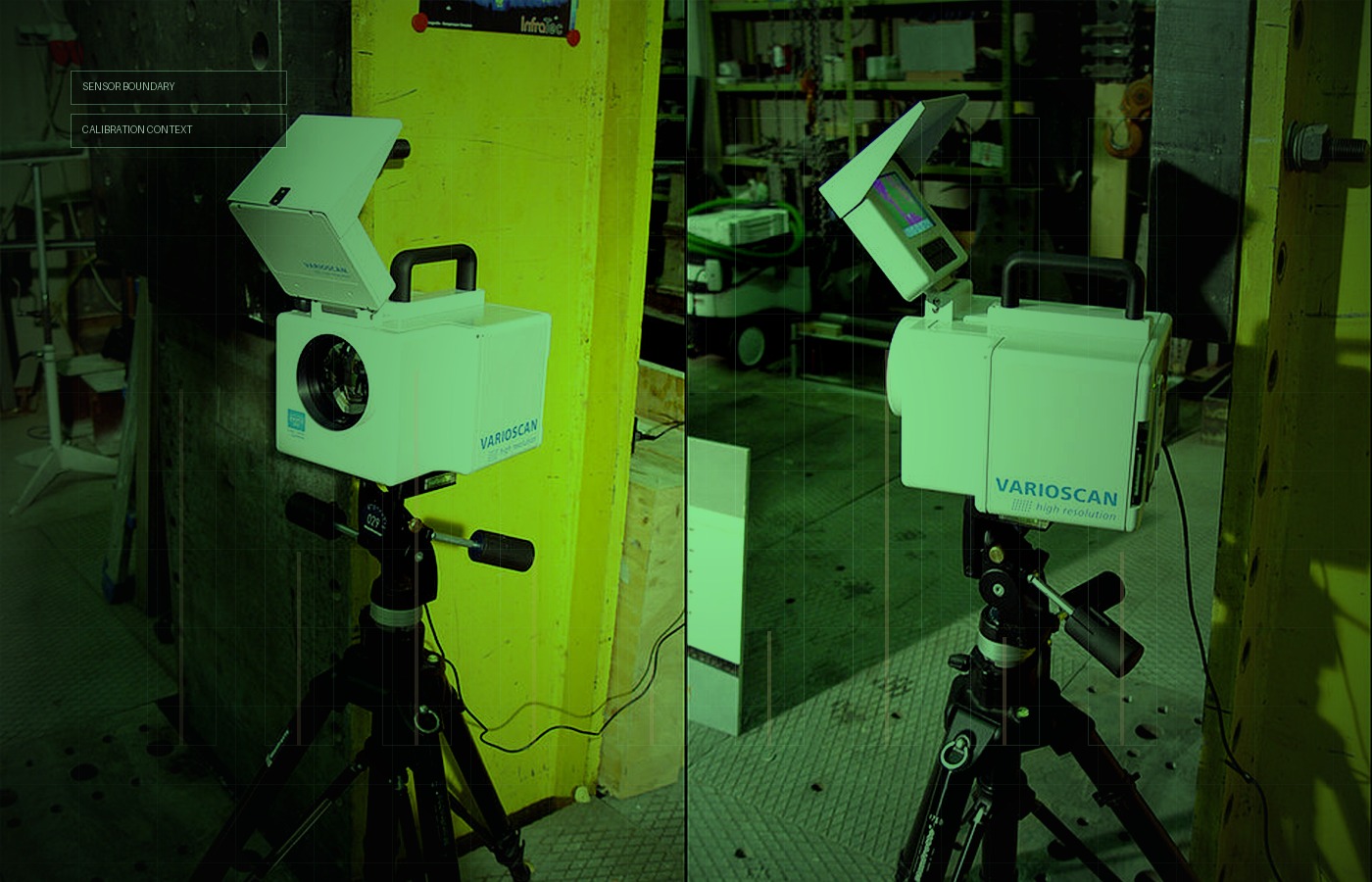
Sensors have their own boundaries
Specialized sensors can reveal one kind of signal while hiding other context the model may need.
Real-world implication: Useful for thermal systems, calibration checks, and mixed-sensor deployments.


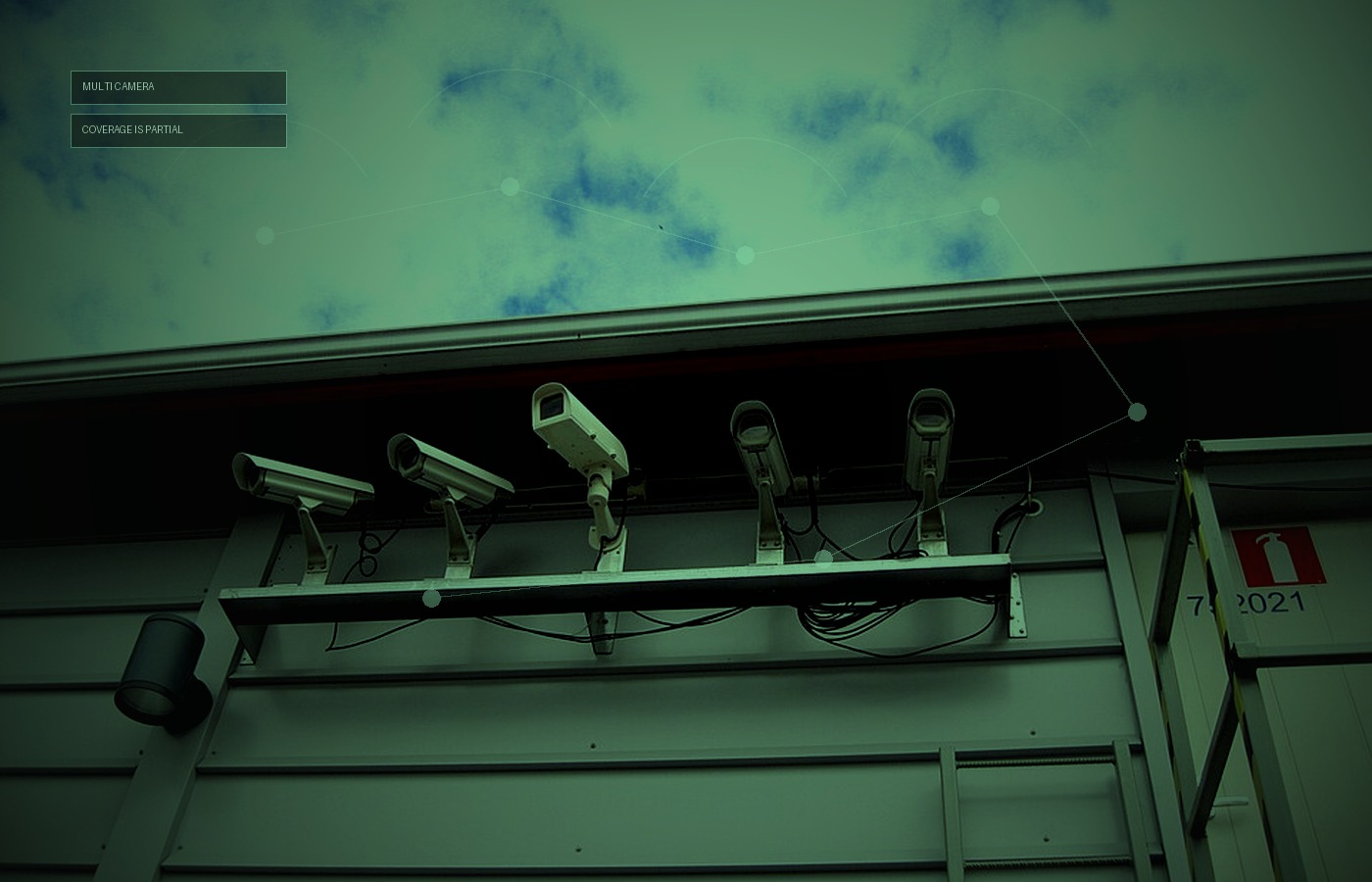
Coverage is never the whole scene
Multiple cameras can still leave gaps. The system can only reason from what the sensors actually see.
Real-world implication: Useful for multi-camera monitoring, maintenance planning, and handoff between views.
papers, releases, policy pages, ingested records
browser-side detections, confidence, timing, empty frames
timestamps, frame history, continuity markers, exported JSON
missing data stays unavailable; outcomes are not prewritten
Claims need source records or ingestion events.
Confidence and detections come from inference.
Missing data stays visible instead of guessed.
Protocols do not ship with conclusions.
The perception lab changes webcam or uploaded frames before running browser-side COCO-SSD. Boxes, confidence, replay, and empty-frame counts are computed only from what the model actually reports.
object is present, but the model emits no detection
confidence changes across adjacent degraded frames
detected class changes as input conditions shift
object continuity breaks across recent frames
recent inference frames produce no usable detections
{
"schema": "signalwatch.perception.evidence.v1",
"generatedAt": "<real export timestamp>",
"model": "<loaded browser model>",
"inferenceBoundary": "real outputs only",
"frames": [],
"detections": [],
"continuityTransitions": []
}If browser-side inference cannot load, detections remain unavailable instead of simulated.
Empty frames are recorded as empty frames; no bounding boxes or confidence values are fabricated.
Source health reports offline or delayed states directly through collector telemetry.
Temporal claims wait until a real observation window has enough frames or source events.
The interface can show the export schema without pretending an evidence packet exists.
A claim without a usable source trace should stay unresolved, not become narrative filler.
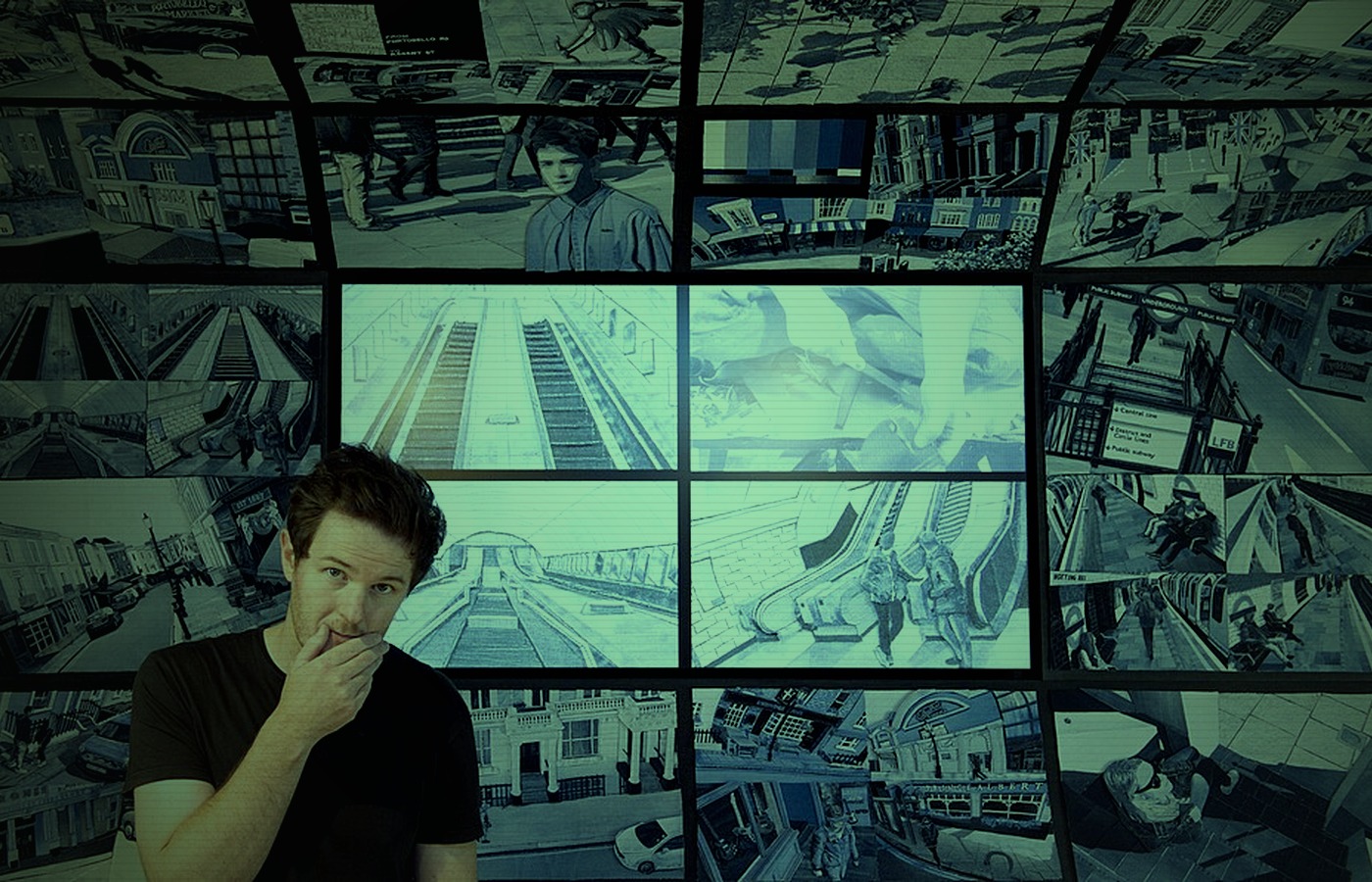
These photos show ordinary conditions that can make evaluation harder: low light, camera placement, motion blur, monitoring rooms, sensor boundaries, and coverage limits. They are source-attributed context images, not precomputed detections or benchmark results.

Lighting changes can make vision systems less reliable even when the scene is ordinary.
Fuente: Wikimedia Commons derivative / SIGNALWATCH grade
Operational AI systems often depend on imperfect camera feeds and deployment conditions.
Fuente: Wikimedia Commons derivative / SIGNALWATCH grade
Movement can hide object boundaries and create unstable detections across frames.
Fuente: Wikimedia Commons derivative / SIGNALWATCH grade
Observability tools are useful because humans need clear evidence, not hidden model state.
Fuente: Wikimedia Commons derivative / SIGNALWATCH grade
Different sensors expose different failure surfaces, calibration needs, and operational blind spots.
Fuente: Wikimedia Commons derivative / SIGNALWATCH grade
Coverage, angle, mounting, and maintenance shape what an observability system can actually know.
Fuente: Wikimedia Commons derivative / SIGNALWATCH gradeSIGNALWATCH case studies are short engineering records for running degradation protocols, collecting model-output evidence, and documenting observed failure states without prefilled conclusions.
open case studiesThe current registry defines real capture/import protocols for robustness sequences. It does not ship fabricated detections, expected confidence values, or precomputed continuity claims.
Source registry item loading.