Research papers, product releases, policy updates, safety posts, and forum discussions are collected with links and timestamps before they appear in the interface.
What SIGNALWATCH treats as real,
derived, simulated, or conceptual.
The system is designed to feel useful without pretending to know more than it does. This page explains the difference between real source data, summaries built from sources, app health readings, and educational examples.
plain glossaryHigher-level context is built from source activity, repeated topics, overlapping sources, time windows, and source links. It is not invented headline generation.
System health readings describe whether SIGNALWATCH itself is connected and responding. Latency, collector health, reconnects, and heartbeats describe the app, not facts about the AI industry.
Alignment and oversight demos are clearly marked as conceptual. They explain mechanisms such as proxy objectives or oversight gaps without making claims about specific deployed systems.
Computer vision confidence, detection boxes, frame history, replay, and missing detections come from browser-side COCO-SSD outputs. Missing detections remain missing.
Robustness case studies define setup, degradation, observation, operational implication, and evidence requirements. They do not ship with prefilled conclusions.
SIGNALWATCH separates real data, derived context, conceptual explanation, and infrastructure telemetry so the interface can stay alive without fabricating intelligence.
A real attributed image used to show operating conditions.
A project image created to explain infrastructure or system concepts.
A conceptual map that explains relationships or method boundaries.
Detections, confidence, empty frames, or traces emitted by a real model run.
The methodology separates visual context from evidence. These images make the boundary concrete: a scene can explain why an evaluation matters, but detections, confidence, continuity, and operational claims still have to come from actual source data or model outputs.

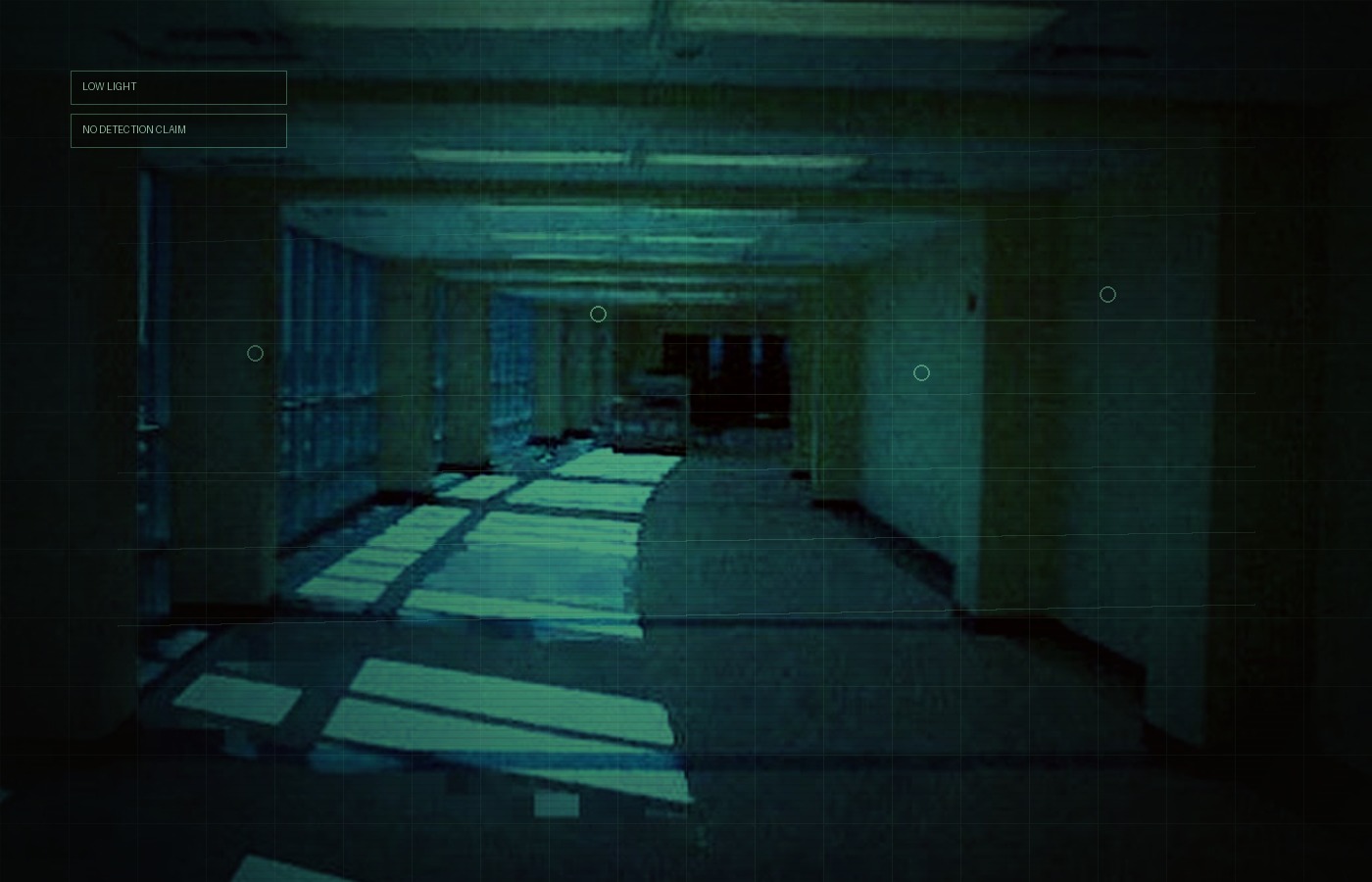
Lighting changes can make vision systems less reliable even when the scene is ordinary.
Fuente: Wikimedia Commons derivative / SIGNALWATCH grade
Operational AI systems often depend on imperfect camera feeds and deployment conditions.
Fuente: Wikimedia Commons derivative / SIGNALWATCH grade
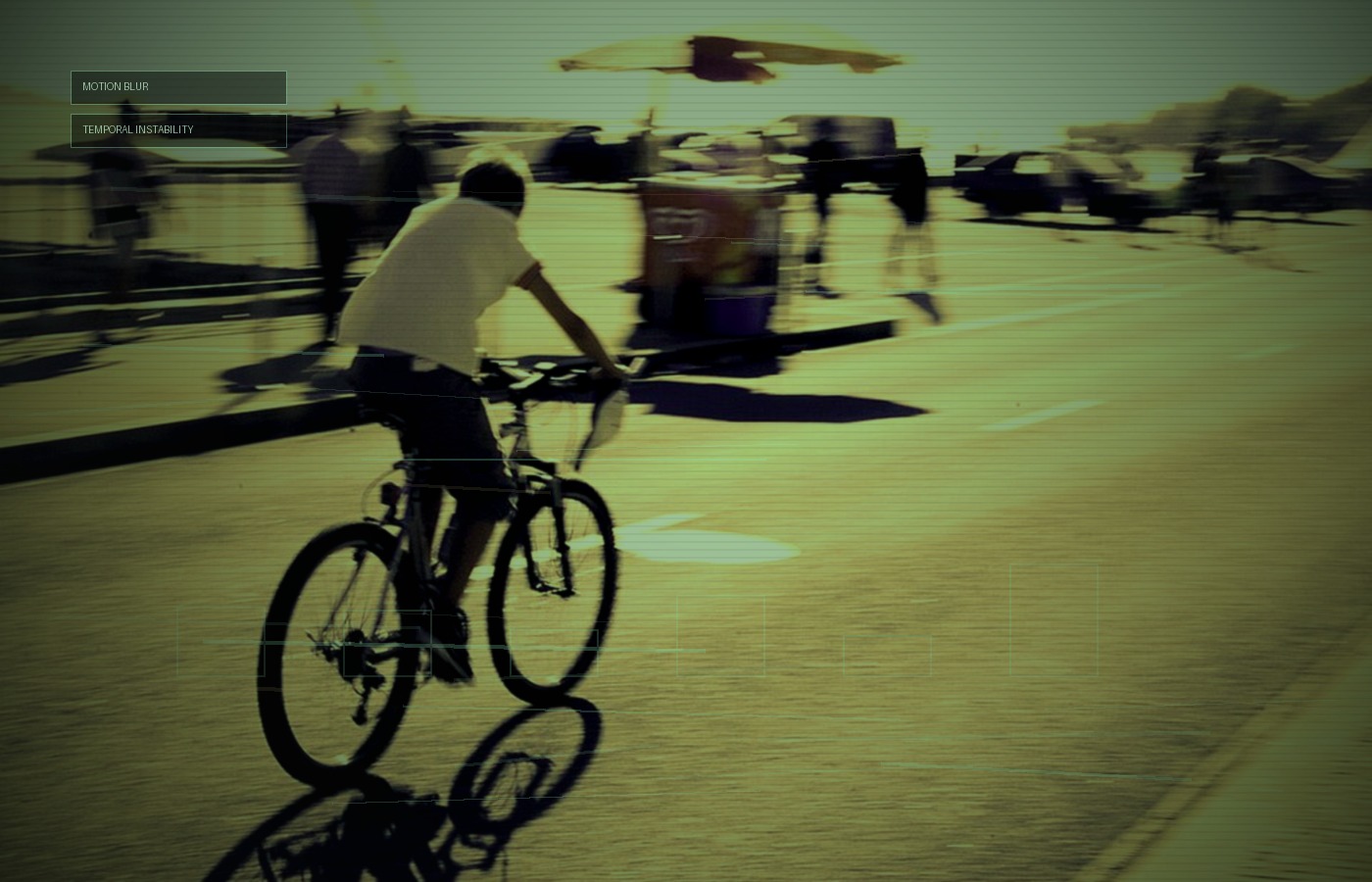
Movement can hide object boundaries and create unstable detections across frames.
Fuente: Wikimedia Commons derivative / SIGNALWATCH grade
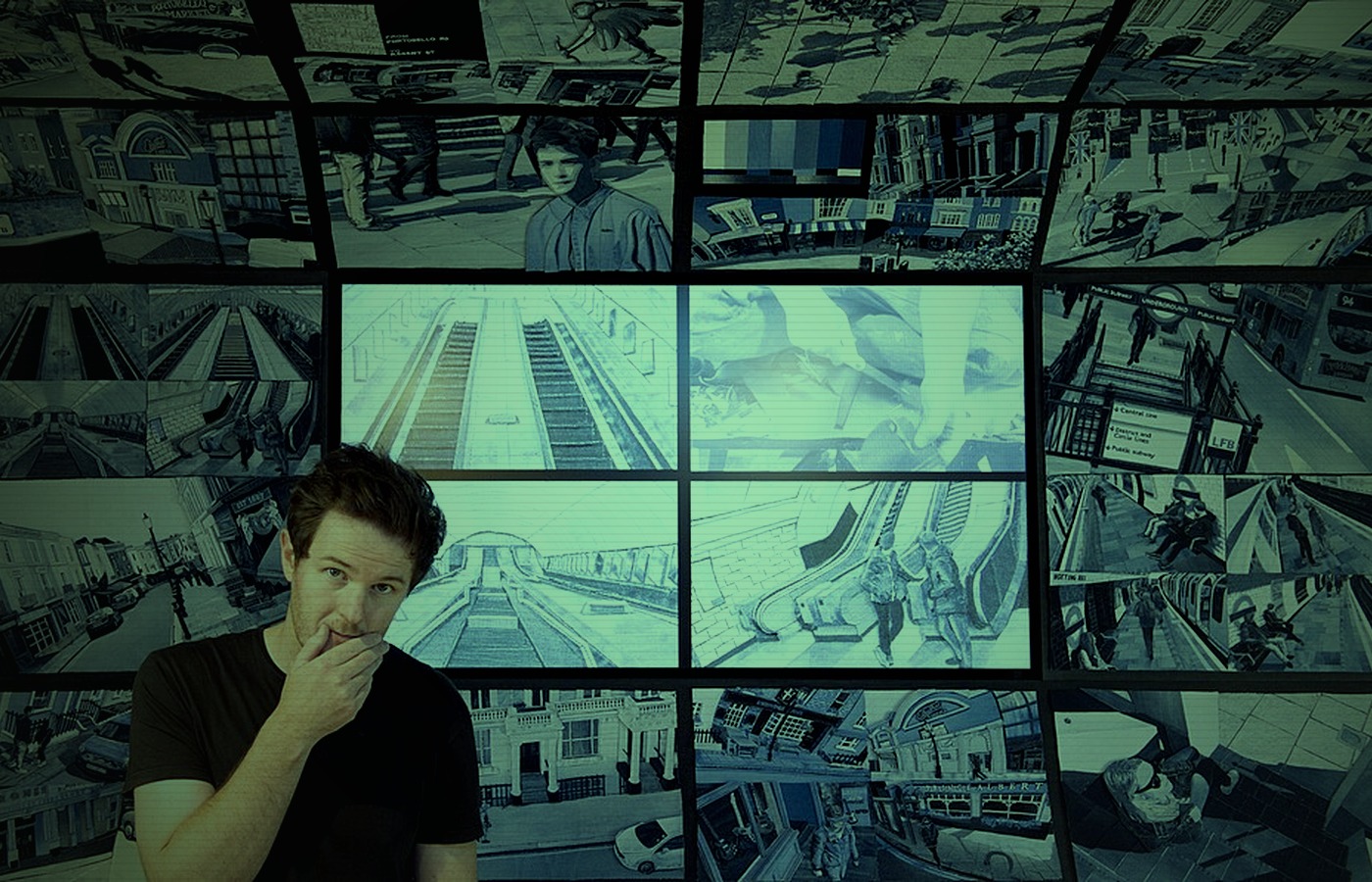
Observability tools are useful because humans need clear evidence, not hidden model state.
Fuente: Wikimedia Commons derivative / SIGNALWATCH grade
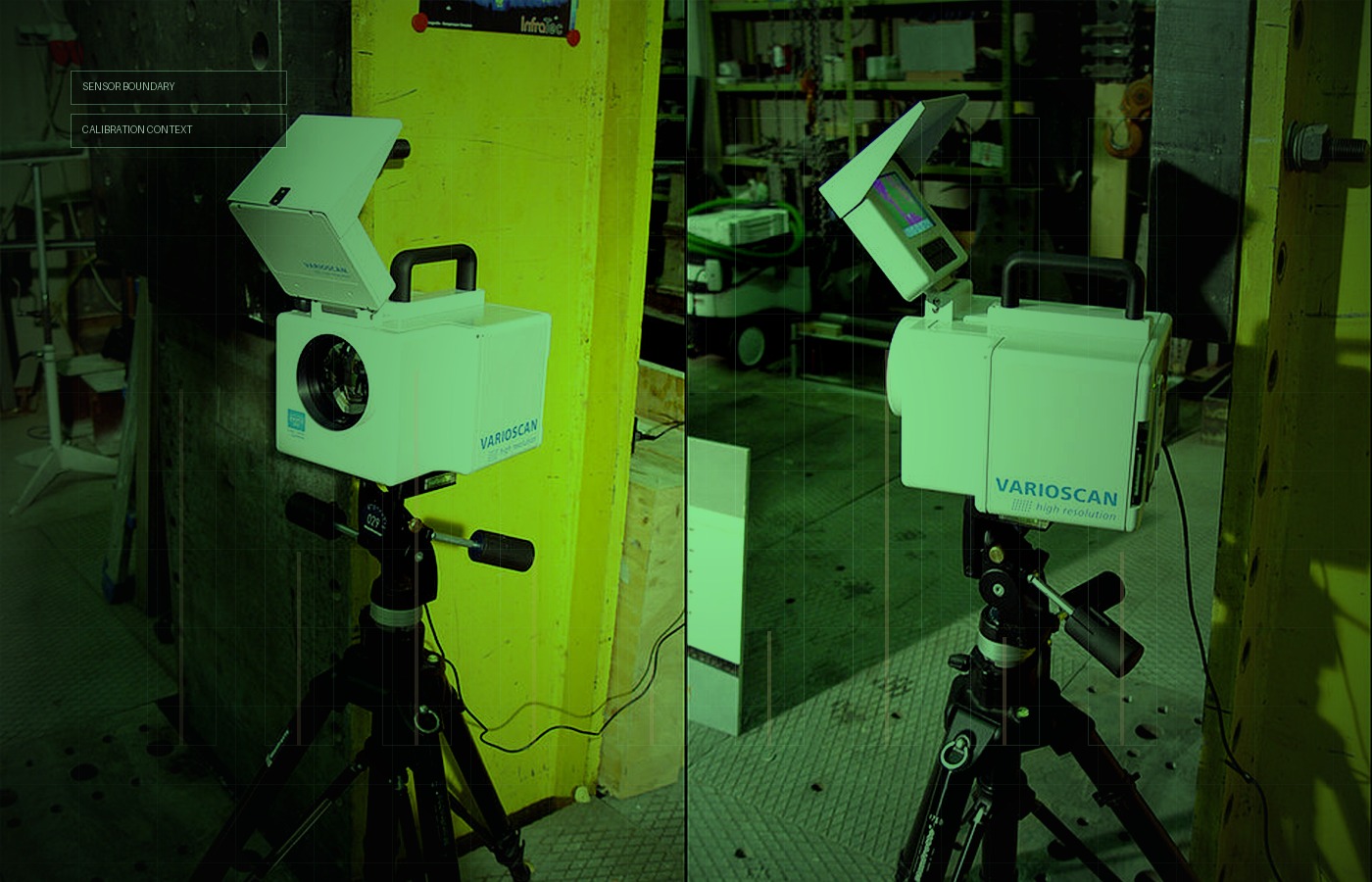
Different sensors expose different failure surfaces, calibration needs, and operational blind spots.
Fuente: Wikimedia Commons derivative / SIGNALWATCH grade
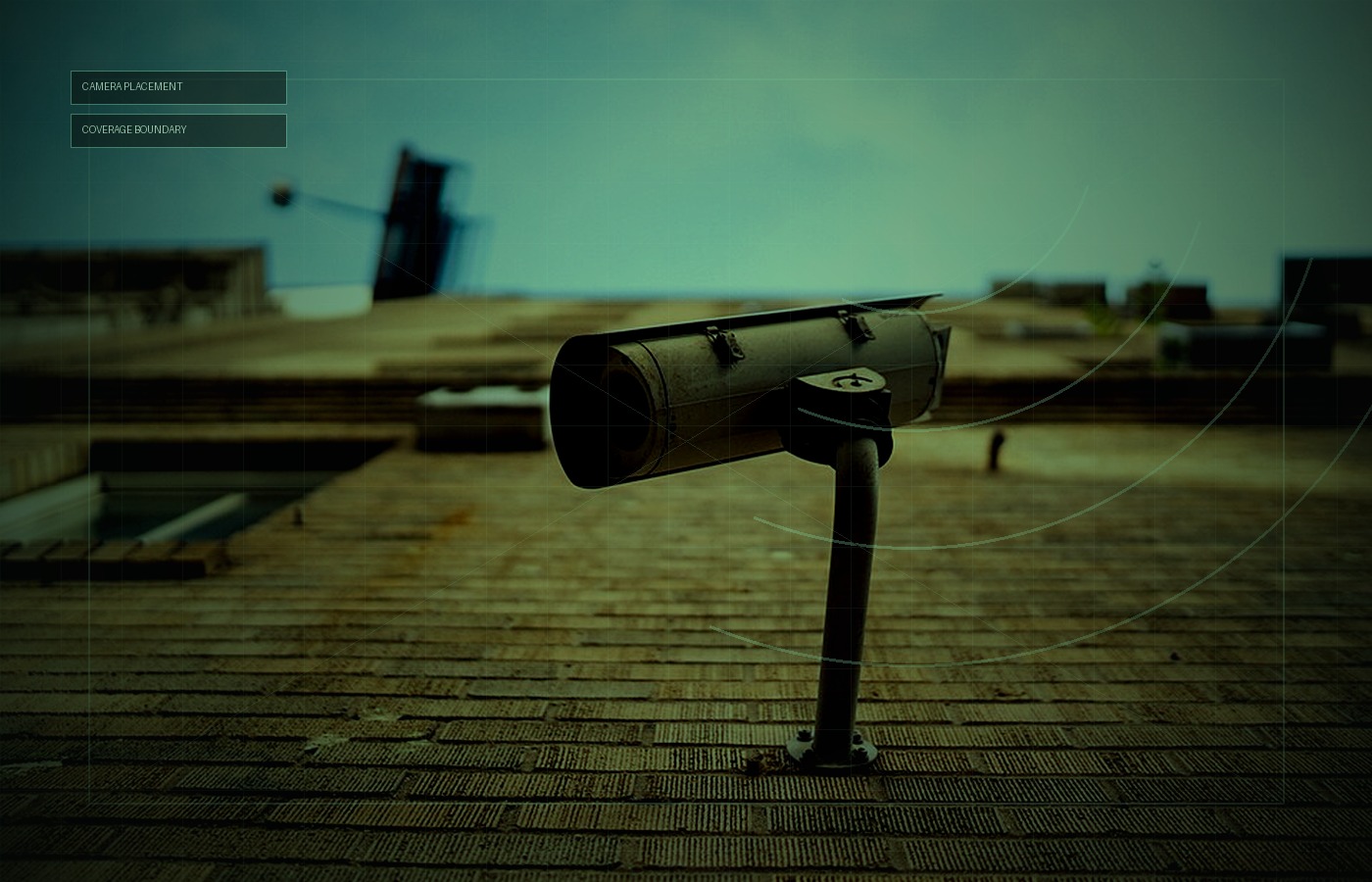
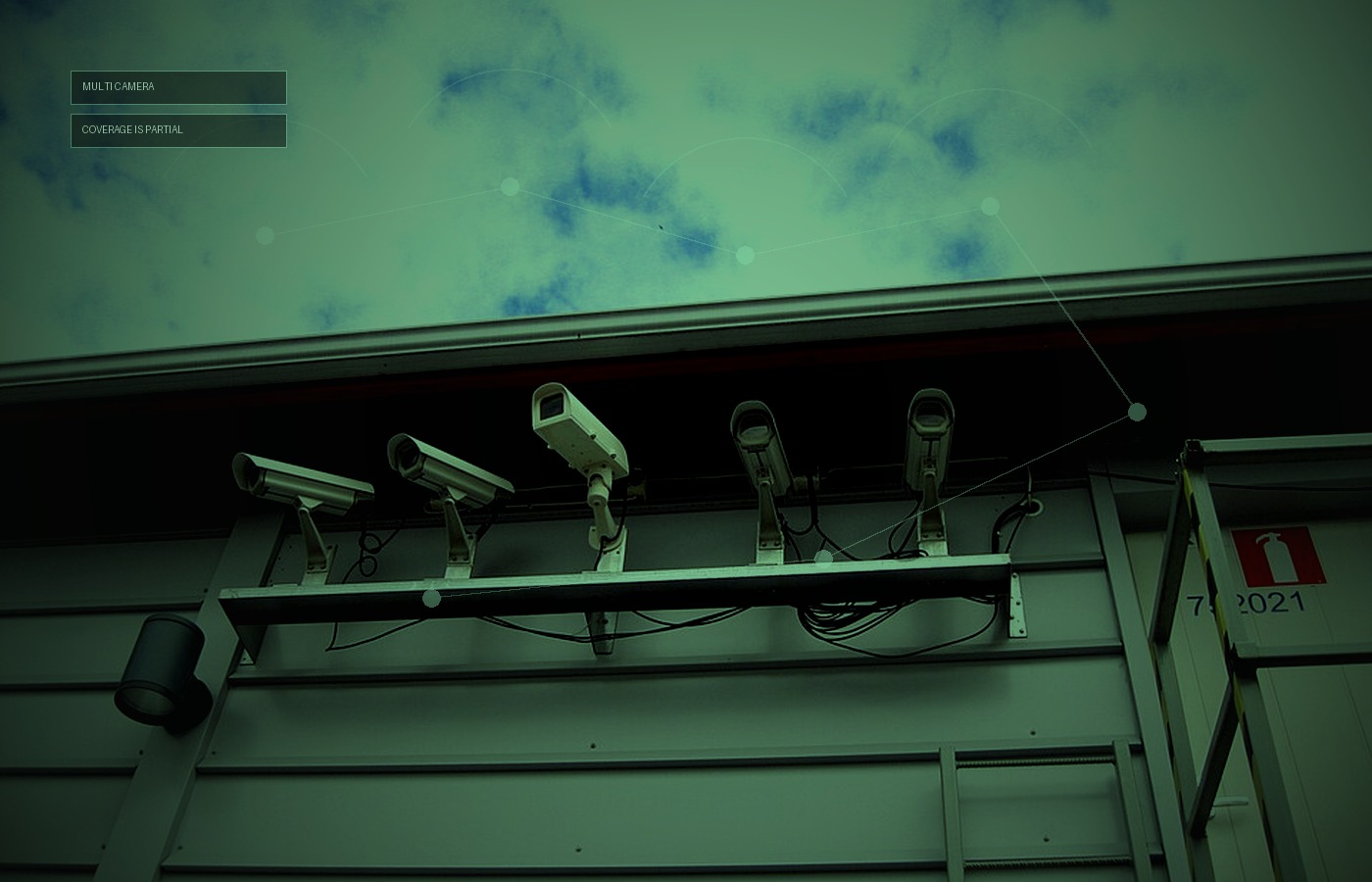
Coverage, angle, mounting, and maintenance shape what an observability system can actually know.
Fuente: Wikimedia Commons derivative / SIGNALWATCH gradeMust come from a real source or from activity collected from real sources.
Must come from actual browser-side inference outputs.
Must be reproducible from protocols and evidence packets, not prewritten analytics.
Must describe timestamped collection, source overlap, recurrence, or model-output history.
If browser-side inference cannot load, detections remain unavailable instead of simulated.
Empty frames are recorded as empty frames; no bounding boxes or confidence values are fabricated.
Source health reports offline or delayed states directly through collector telemetry.
Temporal claims wait until a real observation window has enough frames or source events.
The interface can show the export schema without pretending an evidence packet exists.
A claim without a usable source trace should stay unresolved, not become narrative filler.
How LLM training fits this system
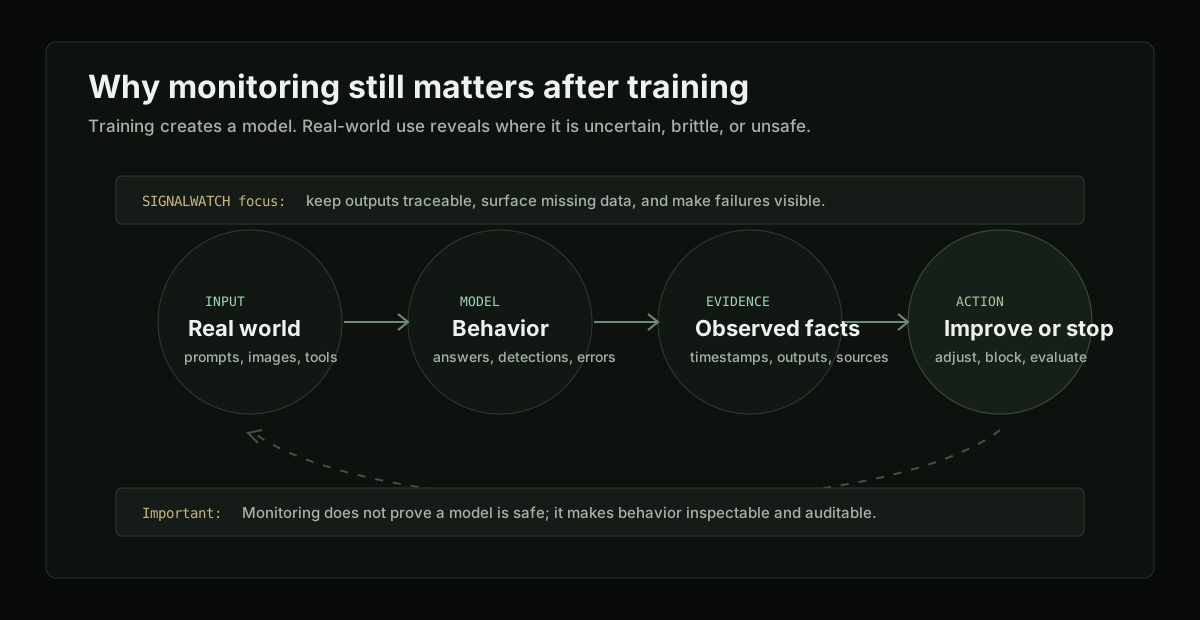
SIGNALWATCH monitors what happens after models are trained: real sources, outputs, failures, and source trails. The LLM guide explains the training path in simple terms.
open LLM guide