The run can show detector output instability for this input and browser session. It cannot generalize to all detectors or deployments.
Simple, repeatable tests
for checking vision model failures.
Each protocol says what to test, what to record, and what the result can and cannot prove. Evidence comes from running the perception lab, not from prefilled analytics.
Continuity markers are class-level observations from model outputs. They do not establish object identity or tracking persistence beyond emitted detections.
The record exposes whether this run produced unusable inference frames. It does not infer why the detector failed beyond recorded degradation settings.
The trace documents emitted detection history. It does not synthesize video replay frames or estimate motion vectors.
requires webcam, upload, or imported calibration sample
preset and manual controls must be visible before inference
browser-side model state must be available or explicitly unavailable
frame history must exist before temporal claims
evidence JSON is created only after real output history exists
papers, releases, policy pages, ingested records
browser-side detections, confidence, timing, empty frames
timestamps, frame history, continuity markers, exported JSON
missing data stays unavailable; outcomes are not prewritten
Claims need source records or ingestion events.
Confidence and detections come from inference.
Missing data stays visible instead of guessed.
Protocols do not ship with conclusions.
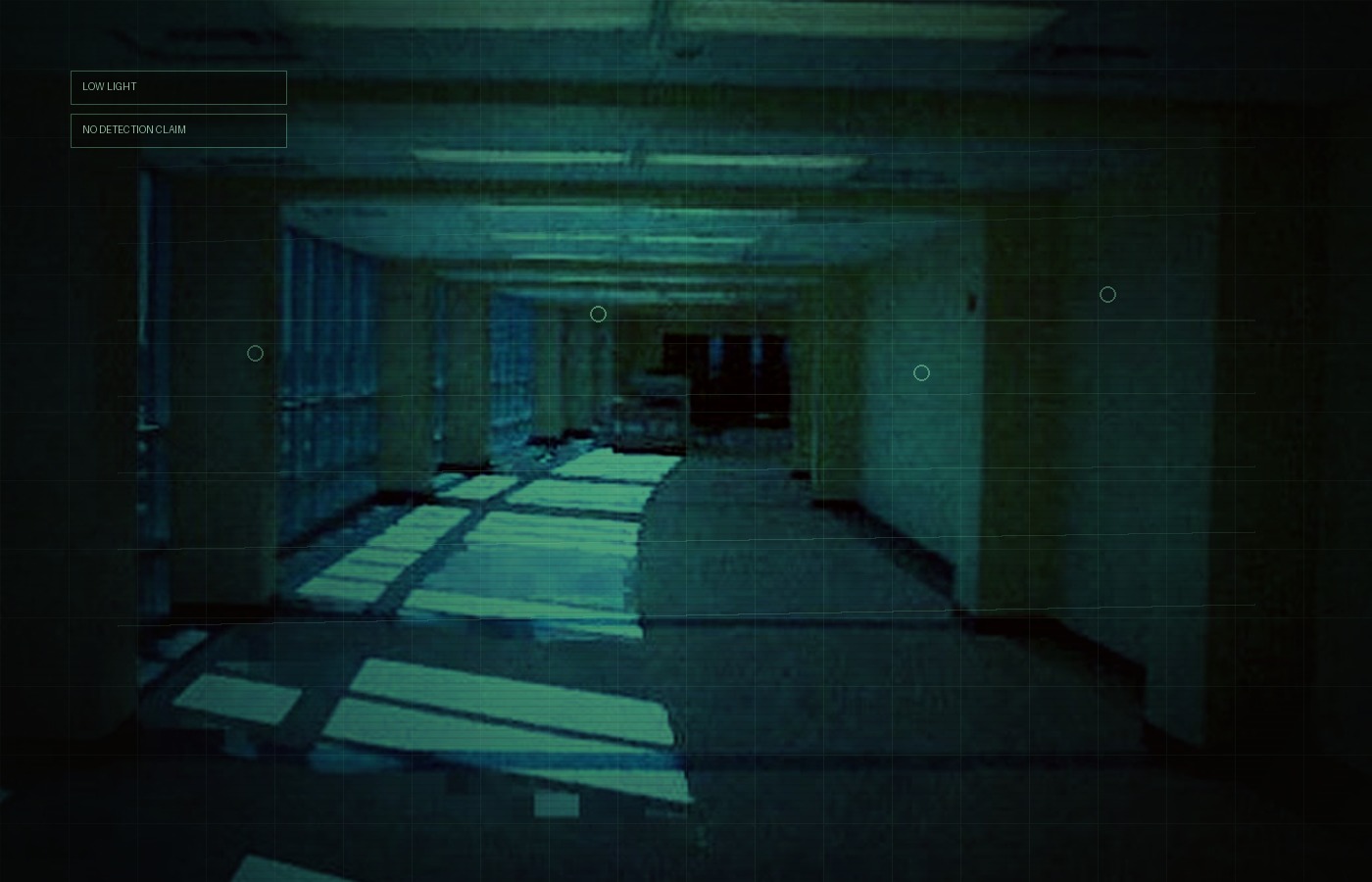
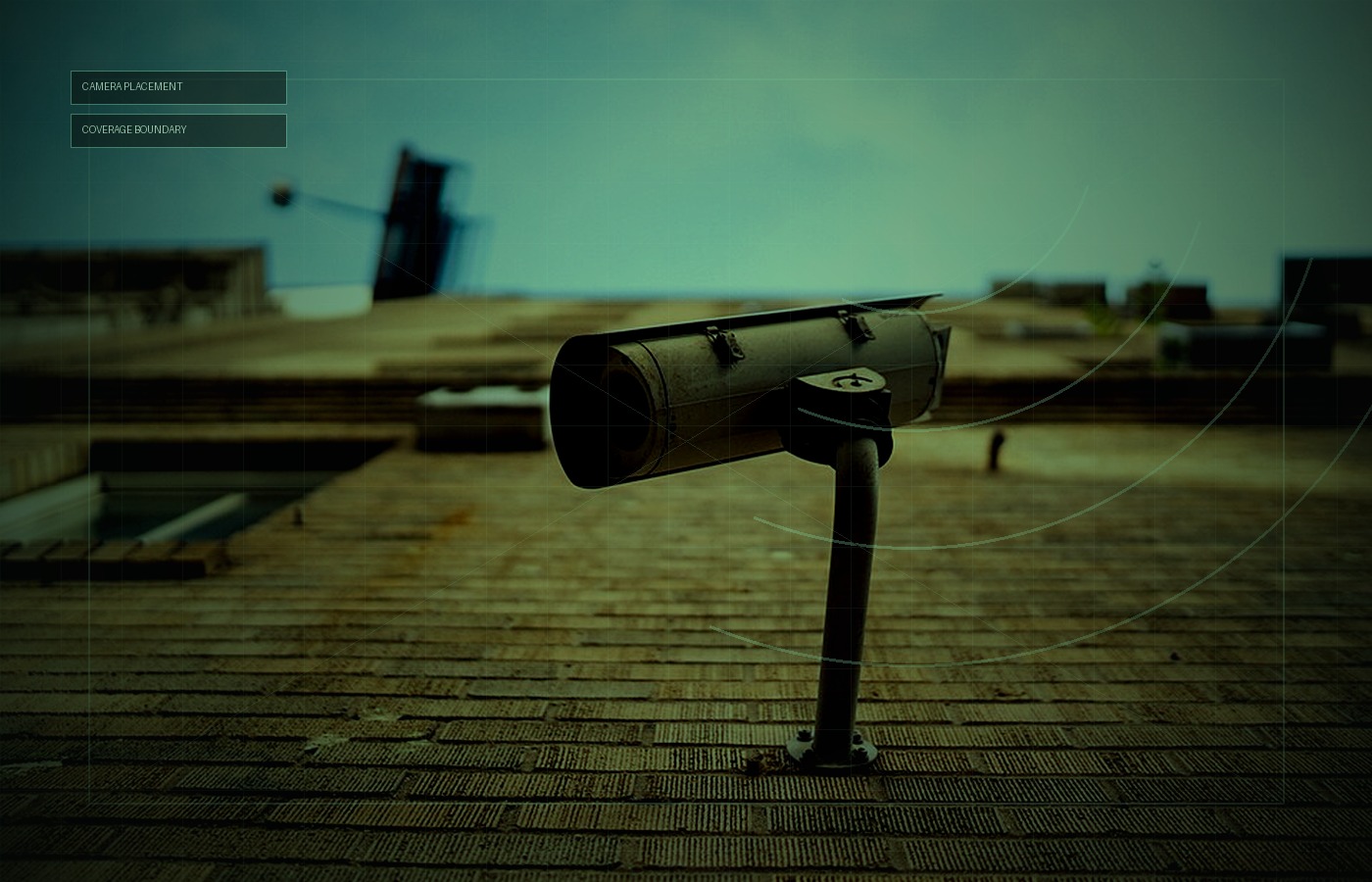
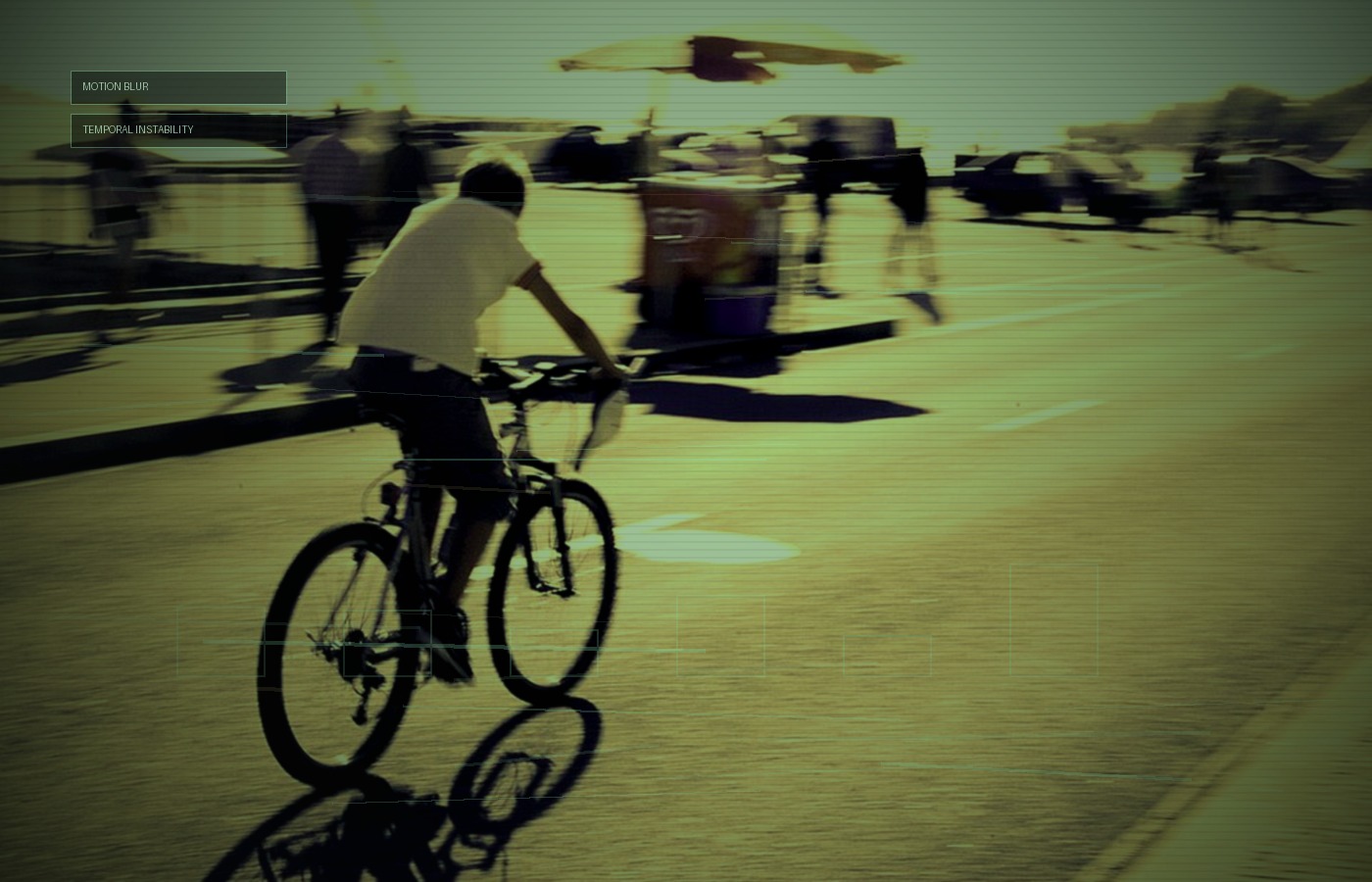
These images show the kinds of real-world conditions SIGNALWATCH is designed to explain: low light, camera deployment, motion blur, sensor boundaries, and human monitoring. They are source-attributed visual context, not detections or evaluation results.

Lighting changes can make vision systems less reliable even when the scene is ordinary.
Fuente: Wikimedia Commons derivative / SIGNALWATCH grade
Operational AI systems often depend on imperfect camera feeds and deployment conditions.
Fuente: Wikimedia Commons derivative / SIGNALWATCH grade
Movement can hide object boundaries and create unstable detections across frames.
Fuente: Wikimedia Commons derivative / SIGNALWATCH gradeLow illumination is common in deployed indoor monitoring paths and can hide detector failure states.
Partial visibility can make single-frame detections look reliable while temporal continuity is unstable.
Motion pressure can expose unstable inference cadence and adjacent-frame detection volatility.
Compressed feeds can make missed detections look like normal absence unless empty frames are counted.
Object overlap is a common source of continuity confusion in operational perception surfaces.
confidence instability, empty frames, dropped detections, and continuity breaks in this browser/model/input session
how a selected degradation changes the emitted COCO-SSD output history
universal model failure across all detectors, datasets, environments, or deployments
overall safety of a deployed perception system without broader evaluation coverage
{
"schema": "signalwatch.perception.evidence.v1",
"generatedAt": "<real export timestamp>",
"model": "<loaded browser model>",
"inferenceBoundary": "real outputs only",
"frames": [],
"detections": [],
"continuityTransitions": []
}If browser-side inference cannot load, detections remain unavailable instead of simulated.
Empty frames are recorded as empty frames; no bounding boxes or confidence values are fabricated.
Source health reports offline or delayed states directly through collector telemetry.
Temporal claims wait until a real observation window has enough frames or source events.
The interface can show the export schema without pretending an evidence packet exists.
A claim without a usable source trace should stay unresolved, not become narrative filler.
Case-study evidence should be captured from the operational evidence packet: frame count, empty frames, confidence history, detection drop events, class continuity breaks, and exported JSON records. If the model emits no detections, the record should state that plainly.