Real
Observed or sourced
A source link, timestamp, runtime event, or model output exists. The interface can point back to where it came from.
Upload an image or use a webcam. SIGNALWATCH runs COCO-SSD in the browser and records only what the model actually reports: detections, confidence, timing, and failures.
Claims need source records or ingestion events.
Confidence and detections come from inference.
Missing data stays visible instead of guessed.
Protocols do not ship with conclusions.
The image or webcam frame the model sees.
Blur, low light, crop, motion, occlusion, or noise added before inference.
Only the boxes and confidence values the browser model actually reports.
A missing object, unstable class, low confidence, or empty frame.
Upload an image or enable webcam.
Apply blur, low light, crop, motion, or compression-like noise.
Run COCO-SSD locally and inspect only reported detections.
Open the evidence packet and export JSON after real frames exist.
No inference frames have been recorded in this observation window.
replays detection history only; no video frames or confidence values are synthesized
No inference history yet. Enable webcam or upload an image to begin collecting real model outputs.
Baseline detections are captured from the same uploaded image before degradation. The degraded frame is re-run after slider changes; instability is measured only from COCO-SSD outputs.
This lab shows how detections change when the input gets harder to read. It is not a ranking of models.
Detections, confidence, persistence, and replay traces come from browser-side COCO-SSD outputs. Missing outputs stay visible.
Inference runs locally in the browser. The backend does not generate or simulate detections.
Pose stability monitoring is prepared for future MediaPipe or TensorFlow pose estimation. Until a real model is connected, this panel does not display skeletons, confidence, or joint telemetry.
Perception must remain stable across lighting, motion, partial visibility, and sensor noise before downstream planning can be trusted.
Manipulation and navigation depend on object continuity. Detection collapse can change how a robot estimates reachable space.
Factory vision systems need robustness under vibration, compression, glare, and occlusion from moving equipment.
Uncertainty should be surfaced clearly; degraded inputs can reduce reliability even when a model appears confident in clean conditions.
Safety-critical imaging requires explicit evaluation under acquisition artifacts, missing context, and distribution shift.
Pose and movement systems need temporal stability; jitter or missing keypoints can distort downstream movement signals.
Occlusion, clothing, camera angle, and low light can reduce joint persistence. Confidence should be measured, not assumed.
{
  "schema": "signalwatch.perception.evidence.v1",
  "generatedAt": "<real export timestamp>",
  "model": "<loaded browser model>",
  "inferenceBoundary": "real outputs only",
  "frames": [],
  "detections": [],
  "continuityTransitions": []
}A source link, timestamp, runtime event, or model output exists. The interface can point back to where it came from.
A summary, grouping, or trace built from source activity, telemetry, or model-output history. It should still show its inputs.
A teaching example that explains a risk or system behavior without claiming it happened in a deployed system.
A parameter-driven demo. Useful for learning, but not evidence about the outside world unless real inputs are attached.
If browser-side inference cannot load, detections remain unavailable instead of simulated.
Empty frames are recorded as empty frames; no bounding boxes or confidence values are fabricated.
Source health reports offline or delayed states directly through collector telemetry.
Temporal claims wait until a real observation window has enough frames or source events.
The interface can show the export schema without pretending an evidence packet exists.
A claim without a usable source trace should stay unresolved, not become narrative filler.
These source-attributed photos show visual conditions the lab is built to reason about. They do not contain detection boxes, confidence values, or precomputed outcomes; those are produced only when the browser model runs.
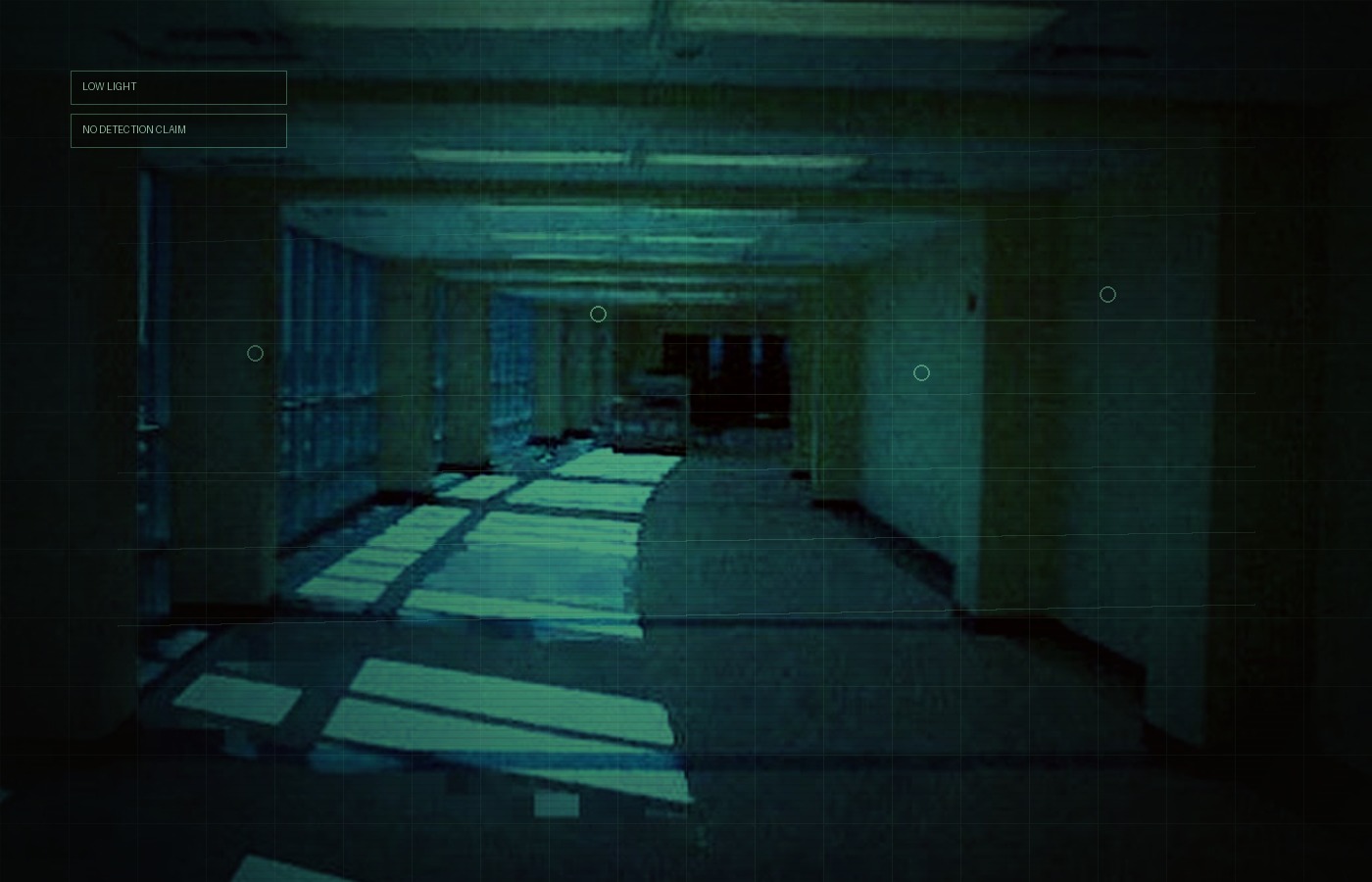
Lighting changes can make vision systems less reliable even when the scene is ordinary.
Fuente: Wikimedia Commons derivative / SIGNALWATCH grade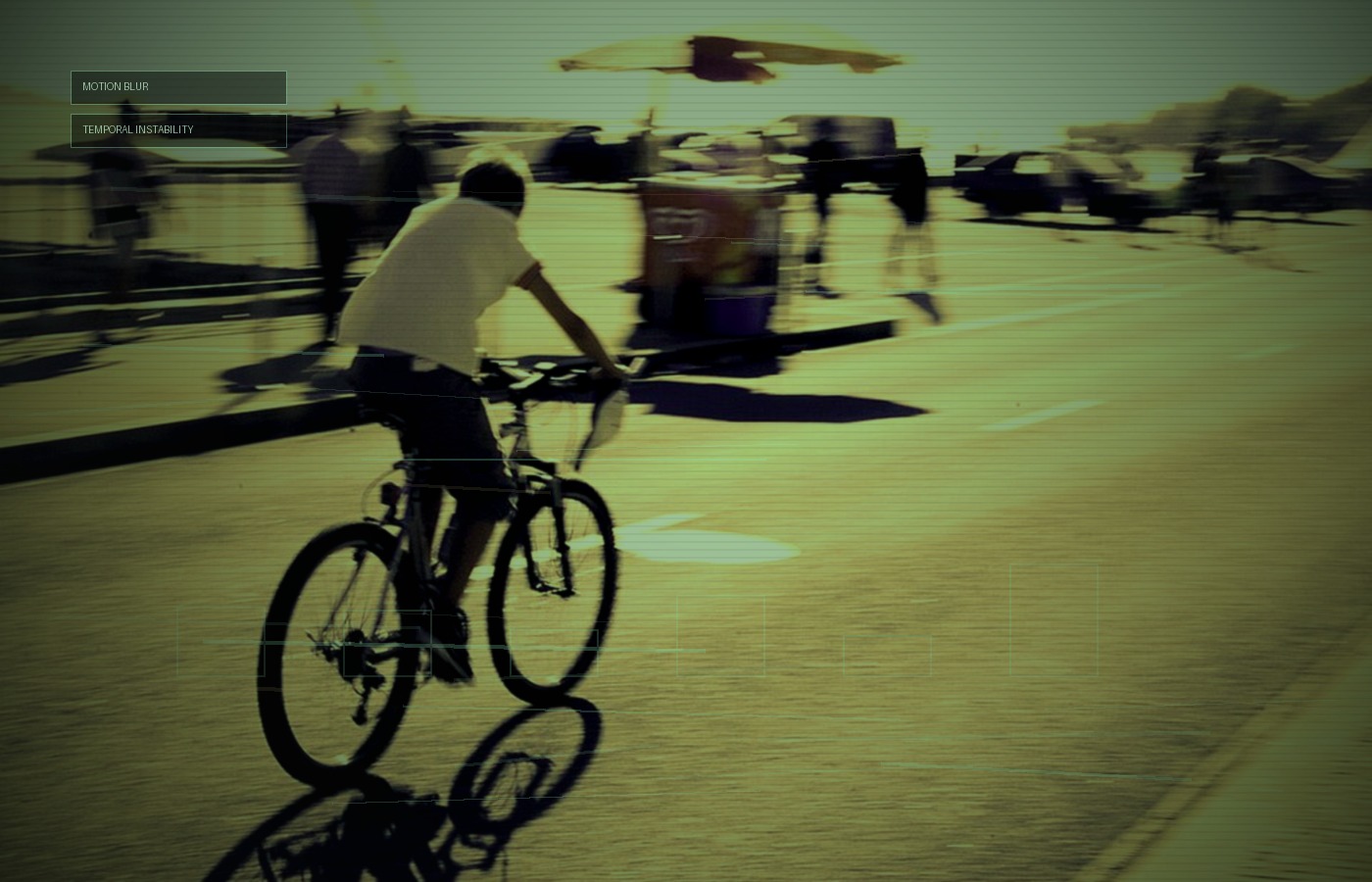
Movement can hide object boundaries and create unstable detections across frames.
Fuente: Wikimedia Commons derivative / SIGNALWATCH grade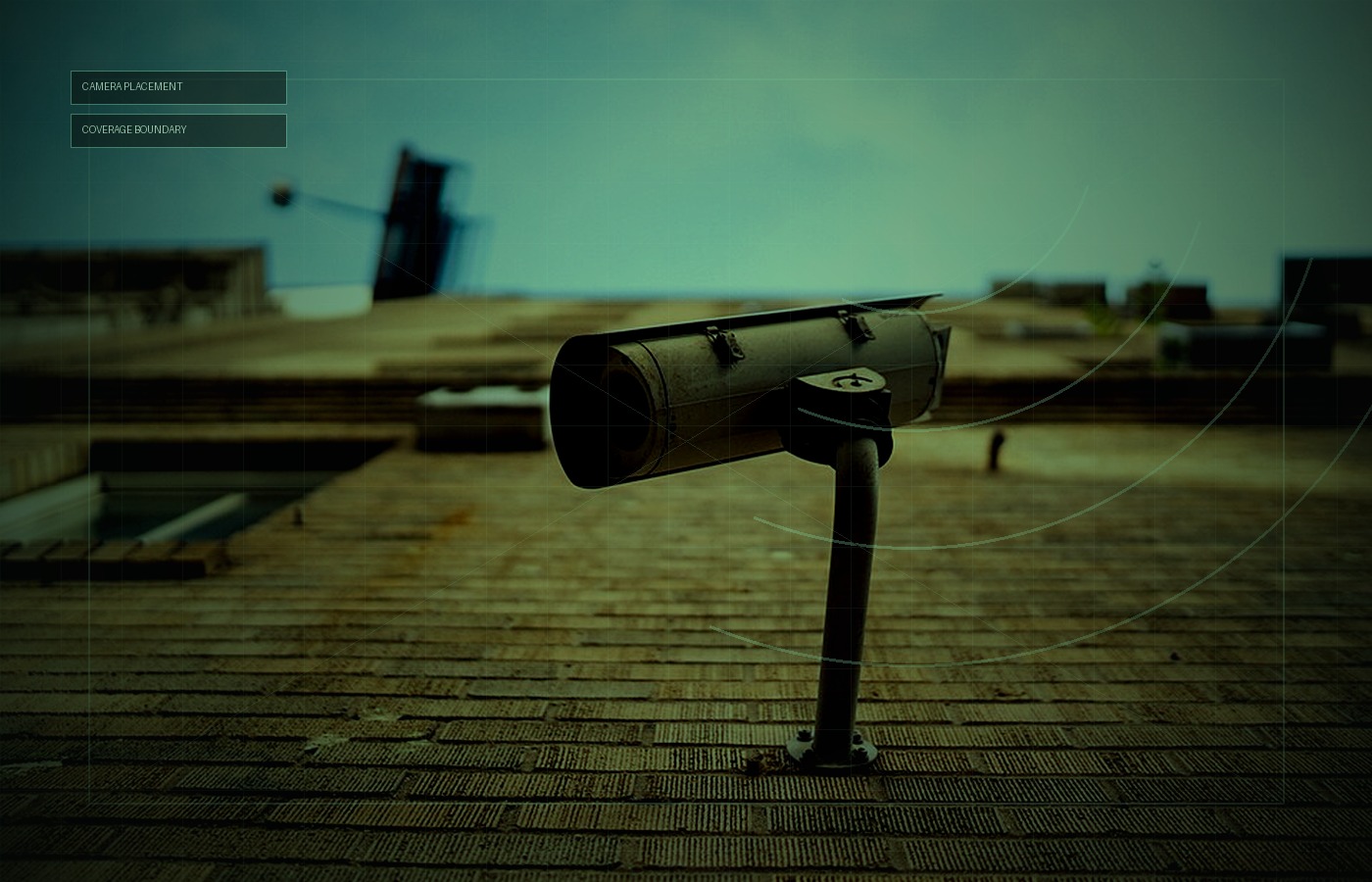
Operational AI systems often depend on imperfect camera feeds and deployment conditions.
Fuente: Wikimedia Commons derivative / SIGNALWATCH grade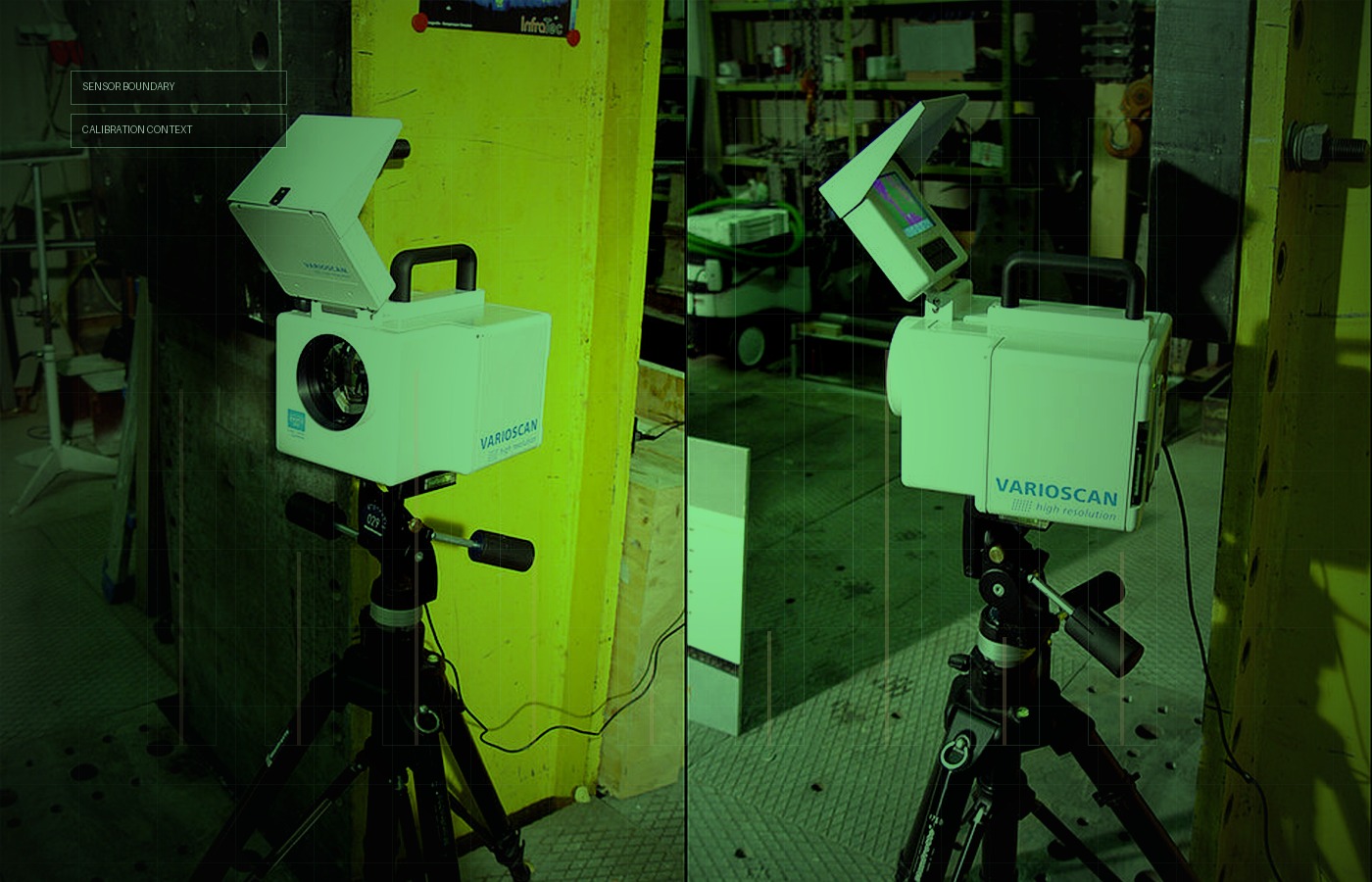
Different sensors expose different failure surfaces, calibration needs, and operational blind spots.
Fuente: Wikimedia Commons derivative / SIGNALWATCH grade