Real
Observed or sourced
A source link, timestamp, runtime event, or model output exists. The interface can point back to where it came from.
SIGNALWATCH is easier to use when you enter with intent: monitor live signals, inspect evidence, test perception, or learn the ideas first. Nothing here asks you to trust a black box without a trace.
Claims need source records or ingestion events.
Confidence and detections come from inference.
Missing data stays visible instead of guessed.
Protocols do not ship with conclusions.
Open source-backed updates, collector health, and runtime state.
Review source claims, runtime frames, telemetry snapshots, and unavailable states.
Upload an image, apply degradation, run real browser-side detection, and export a packet.
Read risks, alignment concepts, and policy references with sources attached.
Start with definitions before entering the operational surfaces.
See what the runtime observes, what it derives, and what stays unavailable.
A source link, timestamp, runtime event, or model output exists. The interface can point back to where it came from.
A summary, grouping, or trace built from source activity, telemetry, or model-output history. It should still show its inputs.
A teaching example that explains a risk or system behavior without claiming it happened in a deployed system.
A parameter-driven demo. Useful for learning, but not evidence about the outside world unless real inputs are attached.
Start with plain definitions for LLMs, confidence, telemetry, provenance, robustness, and evaluation.
See how language models move from raw data to deployment monitoring.
Learn why AI systems are tested for failures, not only high scores.
Upload an image or use a webcam to see real model outputs under degradation.
Use repeatable case-study protocols and export evidence packets.
papers, releases, policy pages, ingested records
browser-side detections, confidence, timing, empty frames
timestamps, frame history, continuity markers, exported JSON
missing data stays unavailable; outcomes are not prewritten
Claims need source records or ingestion events.
Confidence and detections come from inference.
Missing data stays visible instead of guessed.
Protocols do not ship with conclusions.
These images show the kinds of real-world conditions SIGNALWATCH is designed to explain: low light, camera deployment, motion blur, sensor boundaries, and human monitoring. They are source-attributed visual context, not detections or evaluation results.
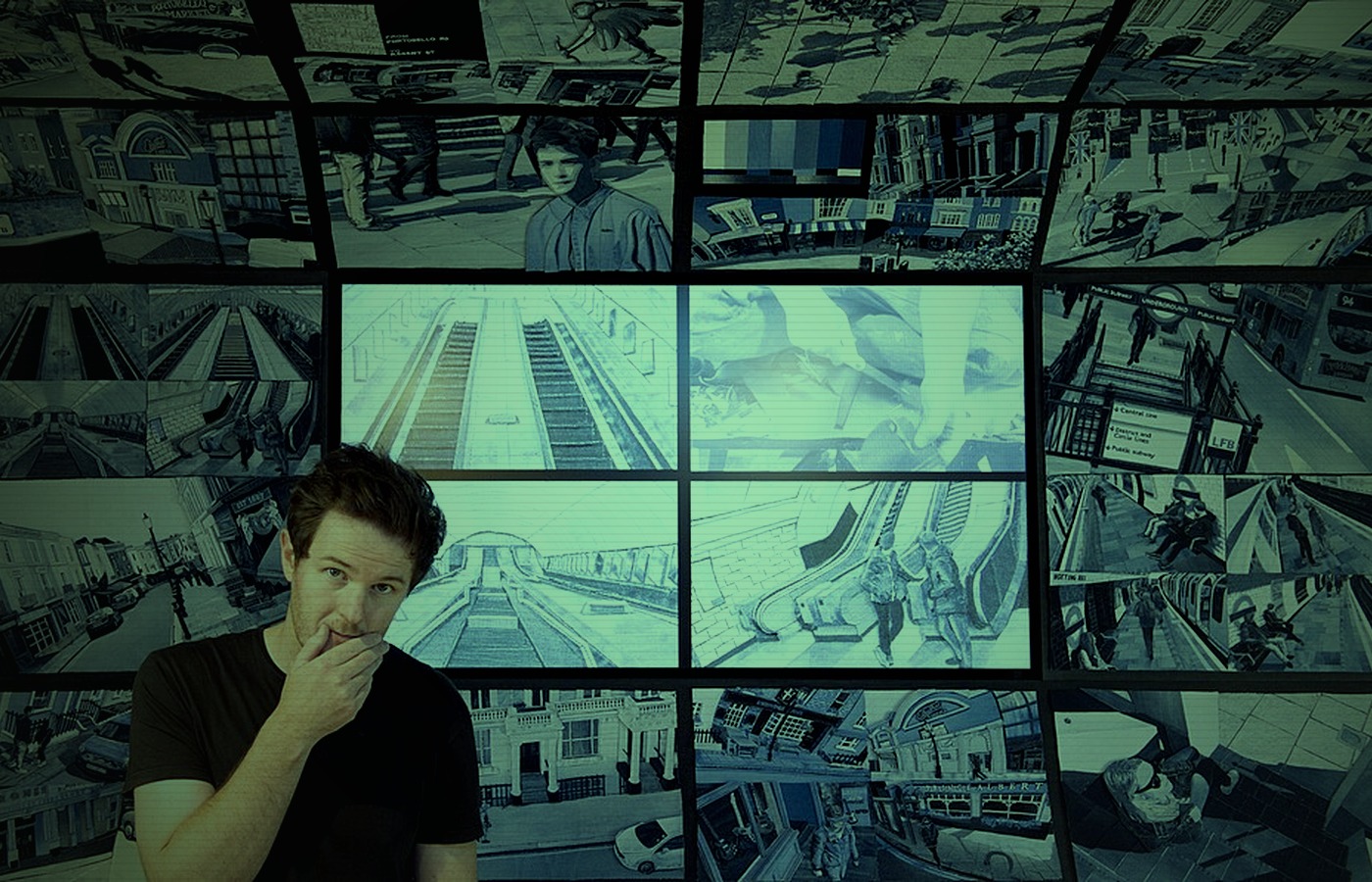
Observability tools are useful because humans need clear evidence, not hidden model state.
Fuente: Wikimedia Commons derivative / SIGNALWATCH grade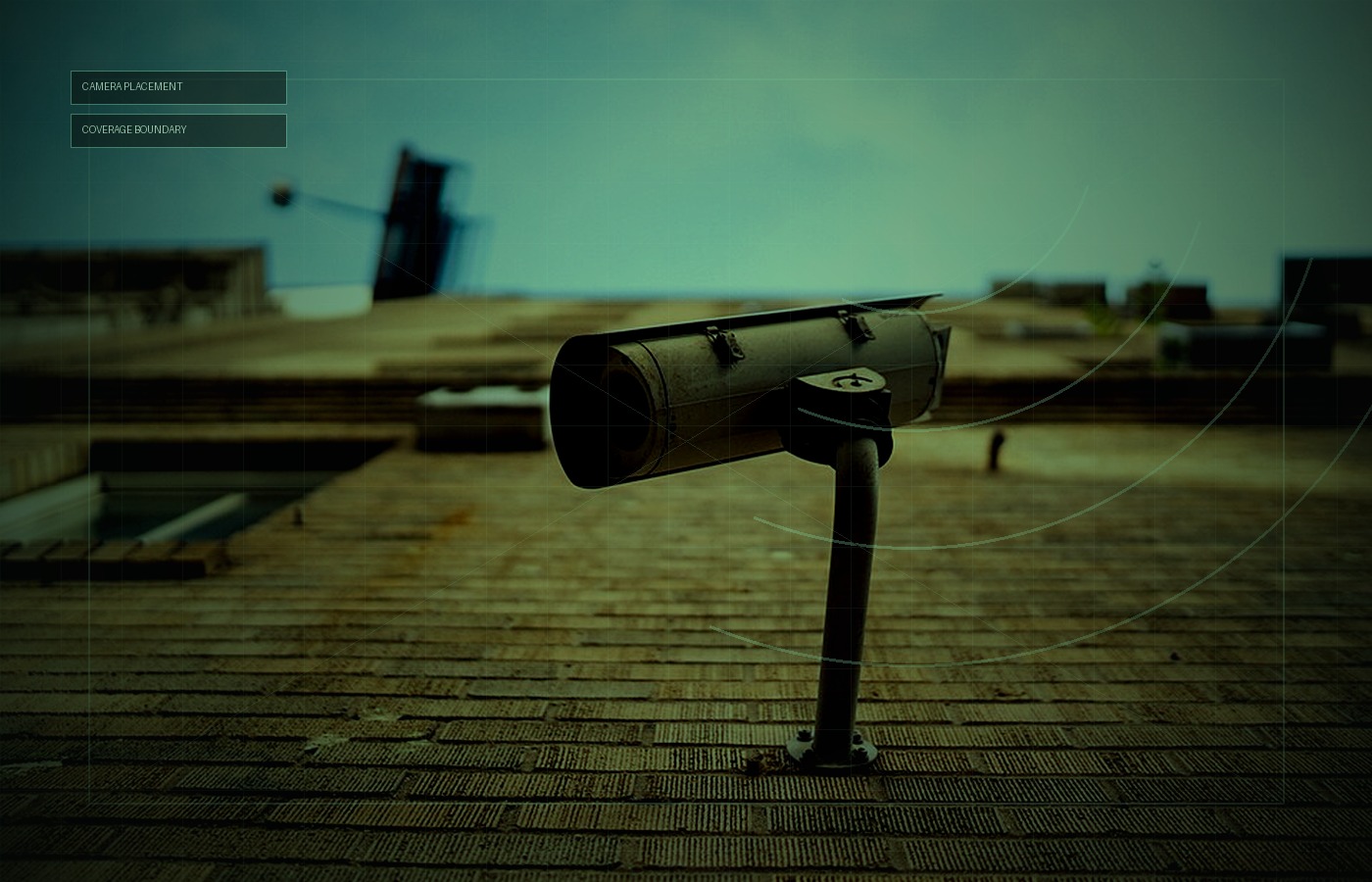
Operational AI systems often depend on imperfect camera feeds and deployment conditions.
Fuente: Wikimedia Commons derivative / SIGNALWATCH grade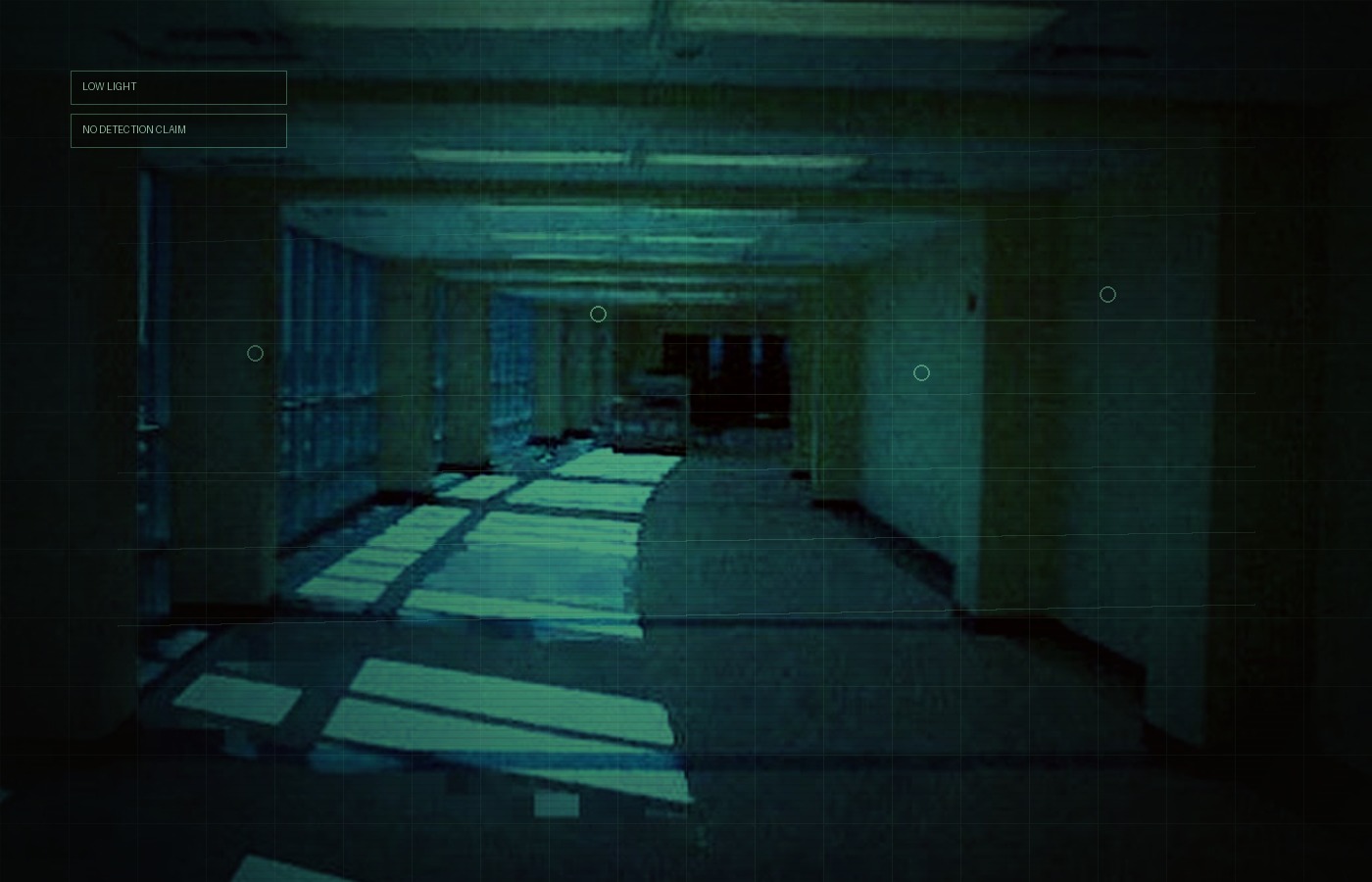
Lighting changes can make vision systems less reliable even when the scene is ordinary.
Fuente: Wikimedia Commons derivative / SIGNALWATCH grade